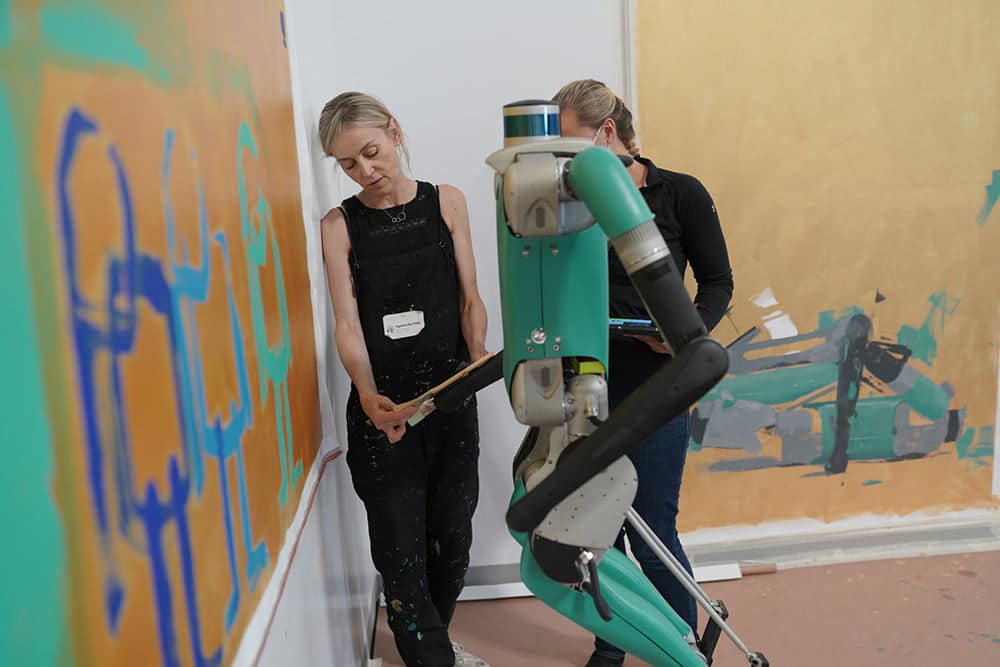
‘Robomorphic computing’ aims to quicken robots’ response time

robomorphic computing

MIT developed ‘robomorphic computing, an automated way to design custom hardware to speed up a robot’s operation. | Credit: Jose-Luis Olivares, MIT

There are three main steps in a robot’s operation, according to Neuman. The first is perception, which includes gathering data using sensors or cameras. The second is mapping and localization: “Based on what they’ve seen, they have to construct a map of the world around them and then localize themselves within that map,” says Neuman. The third step is motion planning and control — in other words, plotting a course of action.

The post ‘Robomorphic computing’ aims to quicken robots’ response time appeared first on The Robot Report.

More Related Posts

Mbodi AI launches on Y Combinator, developing embodied AI for industrial robots

Manufacturers are facing worsening labor shortages, but programming conventional robots to respond...

Predicting and Preventing Pandemics is Goal of New NSF Awards

The potential for future pandemics is an ever-present and growing threat, whether...

Meet the artist training Spot robots to make their own art

Agnieszka Pilat, an artist finding innovative ways to fuse art and technology,...

Home

Highly Niched Headhunters Specialized in Physical AI/Robotics, High-Performance Computing, Unmanned/Autonomous Systems, Defense Technology and Energy.

Specializations

We recruit across complex engineering markets where understanding the technology is critical to finding the right talent.

How We Work

Overview of how PACE partners with teams: Our process, what clients get, and why PACE is different.

About Us

PACE’s story, values, and culture define how we operate and who we are.

News & Insights

Stay up to date on industry trends.

Contact

All the information needed for anyone interested in contacting us.