Supercomputer Simulation Reveals Galaxy Development Over 13.8 Billion Years

big bang

Using a supercomputer simulation, a research team at Lund University in Sweden has succeeded in following the development of a galaxy over a span of 13.8 billion years. The study shows how, due to interstellar frontal collisions, young and chaotic galaxies over time mature into spiral galaxies such as the Milky Way.

The post Supercomputer Simulation Reveals Galaxy Development Over 13.8 Billion Years appeared first on HPCwire.
More Related Posts

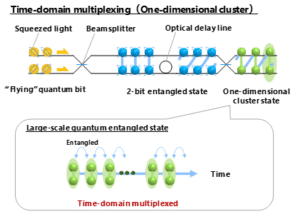
NTT Develops Optical Fiber-Coupled Quantum Light Source

NTT Corporation (NTT, President & CEO: Jun Sawada, Chiyoda-ku, Tokyo) in cooperation...

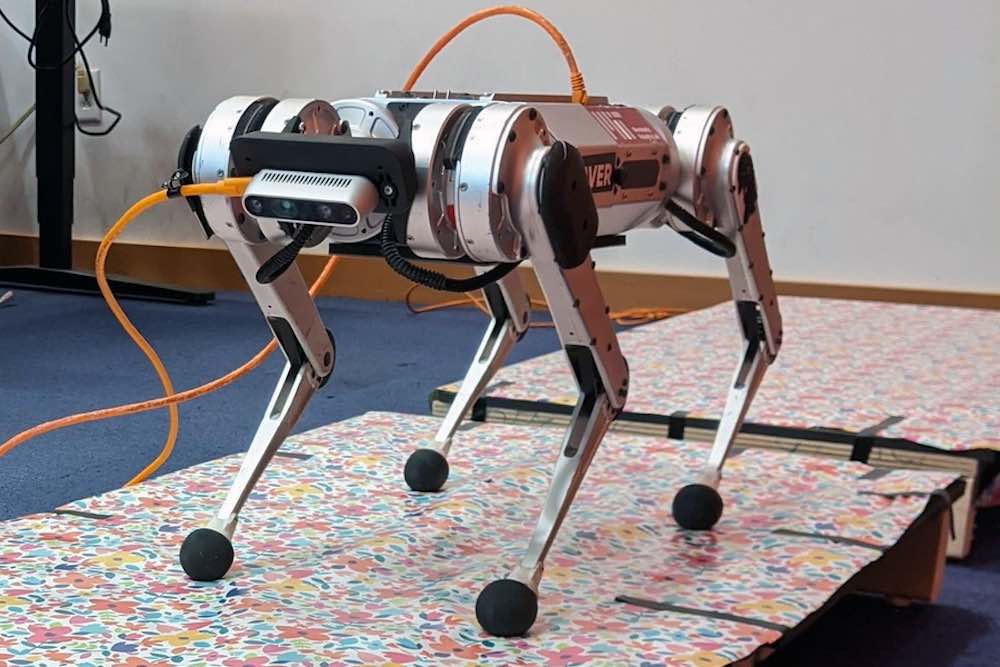
MIT control system improves agility of Cheetah quadruped

MIT developed a system that improves the speed and agility of its...

Does your hiring process interview for skills and cultural fit only?

This is a good start and works for a lot of companies...

Home

Highly Niched Headhunters Specialized in Physical AI/Robotics, High-Performance Computing, Unmanned/Autonomous Systems, Defense Technology and Energy.

Specializations

We recruit across complex engineering markets where understanding the technology is critical to finding the right talent.

How We Work

Overview of how PACE partners with teams: Our process, what clients get, and why PACE is different.

About Us

PACE’s story, values, and culture define how we operate and who we are.

News & Insights

Stay up to date on industry trends.

Contact

All the information needed for anyone interested in contacting us.