
Subtle Spin: A Novel Study of Quantum Material Proves Theoretical Predictions

quantum spin graphic

Researchers have discovered a hard-to-observe type of spin in a quantum mechanical system. In physics, a quantum mechanical system is a set of components that interact at the quantum scale. This is the realm of atoms and subatomic particles such as those defined in the Standard Model of Particle Physics. Spins are magnetic particles in a quantum system. The researchers successfully simulated and measured how spins can exhibit a type of motion known as Kardar-Parisi-Zhang (KPZ) in solid materials at various temperatures. Their findings demonstrate that KPZ motion accurately describes the changes in time of spin chains—linear channels of spins that interact with one another—in certain quantum materials.

The post Subtle Spin: A Novel Study of Quantum Material Proves Theoretical Predictions appeared first on HPCwire.

More Related Posts

Summit Powers Novel Protein Function Prediction Work

There are hundreds of millions of sequenced proteins and counting—but only 170,000...

Material Simulation with Quantum Accuracy Wins 2023 ACM Gordon Bell Prize

Accurately calculating interactions among electrons has been a significant obstacle to reliable...

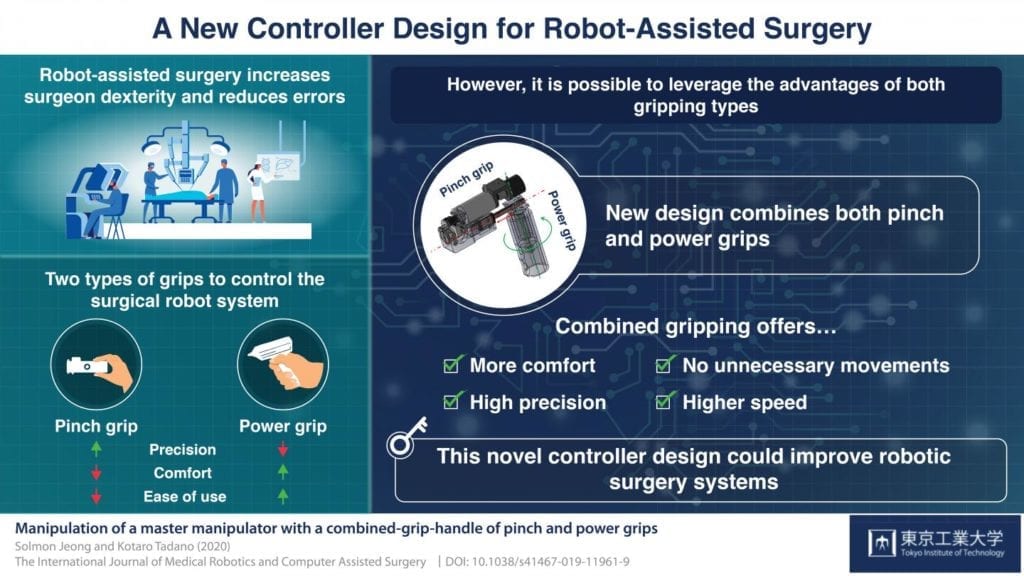
Mechanical controller design combines gripper features for robotic surgery

A new controller design for robot-assisted surgery. Source: Tokyo Institute of Technology...

Home

Highly Niched Headhunters Specialized in Physical AI/Robotics, High-Performance Computing, Unmanned/Autonomous Systems, Defense Technology and Energy.

Specializations

We recruit across complex engineering markets where understanding the technology is critical to finding the right talent.

How We Work

Overview of how PACE partners with teams: Our process, what clients get, and why PACE is different.

About Us

PACE’s story, values, and culture define how we operate and who we are.

News & Insights

Stay up to date on industry trends.

Contact

All the information needed for anyone interested in contacting us.