Supercomputing Helps Explain the Milky Way’s Shape

milky way

If you look at the Milky Way from “above,” it almost looks like a cat’s eye: a circle of spiral arms with an oval “iris” in the middle. That iris — a starry bar that connects the spiral arms — has two strange bulges: one peanut-shaped and one disc-shaped, neither conforming to the otherwise pleasingly geometric galaxy. These same deformations appear in some other galaxies. Now, researchers from the National Astronomical Observatory of Japan (NAOJ) have applied supercomputing to investigate why and how these bulges form in galaxies.

The post Supercomputing Helps Explain the Milky Way’s Shape appeared first on HPCwire.
More Related Posts

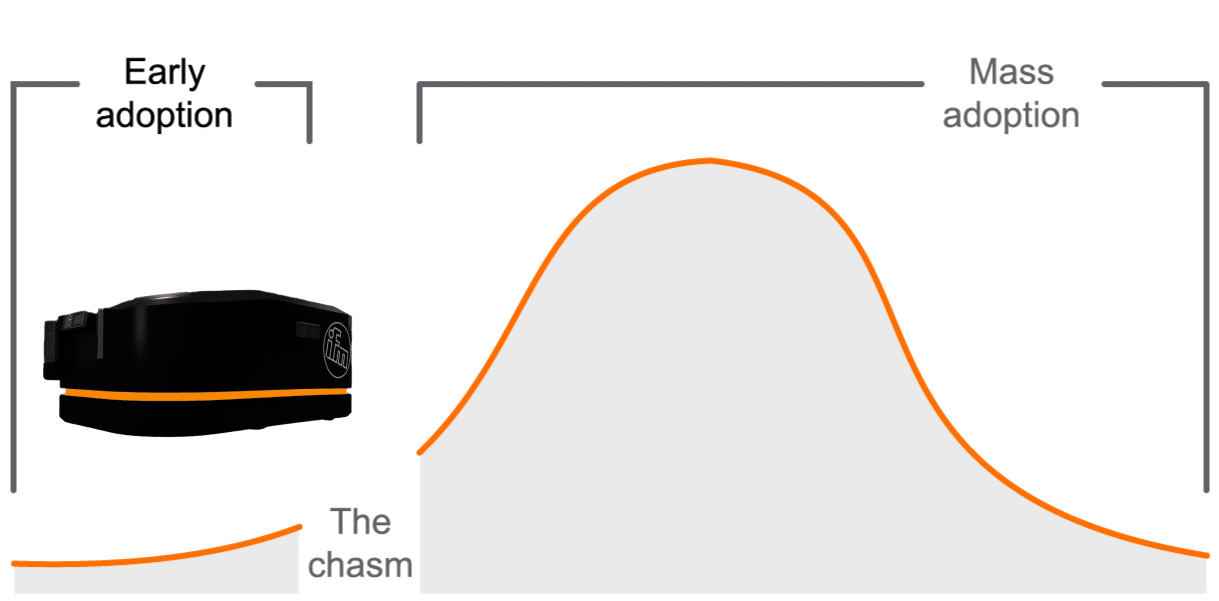
3 reasons mobile robots haven’t reached mass adoption

Automated mobile robotics is the obvious answer to increased consumer demand and...

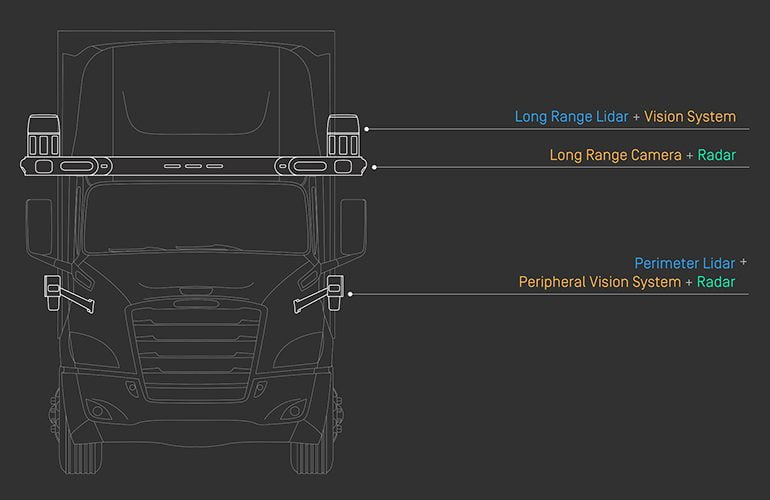
How Waymo adjusted its driver for autonomous trucking

The Waymo Driver has been at work bringing on San Francisco streets...

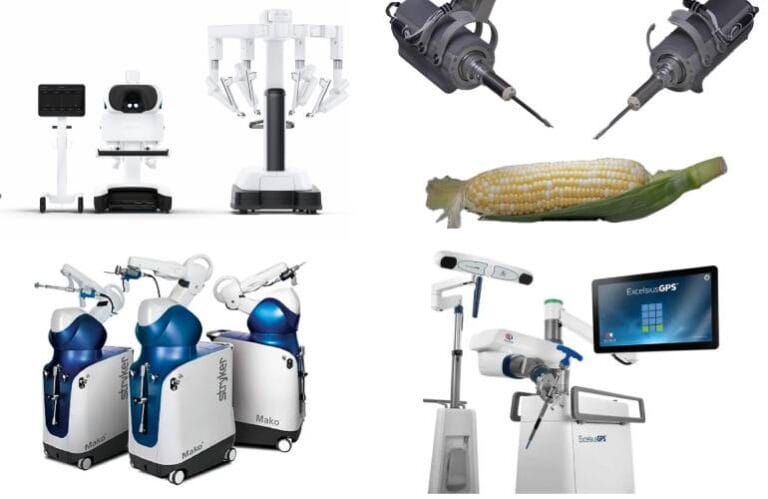
The top 10 surgical robotics stories of the year so far

Surgical robotics has been a hot topic within the medtech space, and...

Home

Highly Niched Headhunters Specialized in Physical AI/Robotics, High-Performance Computing, Unmanned/Autonomous Systems, Defense Technology and Energy.

Specializations

We recruit across complex engineering markets where understanding the technology is critical to finding the right talent.

How We Work

Overview of how PACE partners with teams: Our process, what clients get, and why PACE is different.

About Us

PACE’s story, values, and culture define how we operate and who we are.

News & Insights

Stay up to date on industry trends.

Contact

All the information needed for anyone interested in contacting us.