Supercomputer Simulations Explain Life-Critical Protein in the Brain

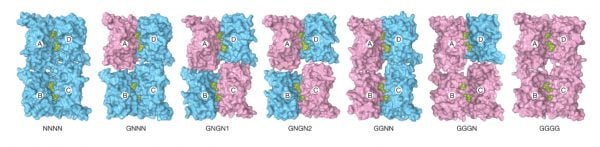
iGlu-R protein

The fourth most common neurological disorder in the world is epilepsy, according to the Epilepsy Foundation. Individuals who have the disorder experience surges of electrical activity in their brains that can cause recurring seizures. At the base of those electrical signals is a protein called the ionotropic glutamate receptor (iGluR). Problems with this protein cause the seizures, as well as degeneration of nerve cells.

The post Supercomputer Simulations Explain Life-Critical Protein in the Brain appeared first on HPCwire.

More Related Posts

Labs Keep Supercomputers Alive for Ten Years as Vendors Pull Support Early

Laboratories are running supercomputers for much longer, beyond the typical lifespan, as...

PSC Supercomputing Powers Coal Conversion Research

Over the last 30 years, coal-fired electricity generation in the U.S. more...

Spot’s commercial availability a milestone for quadrupeds

Boston Dynamics’ Spot quadruped is now available commercially in the U.S. |...

Home

Highly Niched Headhunters Specialized in Physical AI/Robotics, High-Performance Computing, Unmanned/Autonomous Systems, Defense Technology and Energy.

Specializations

We recruit across complex engineering markets where understanding the technology is critical to finding the right talent.

How We Work

Overview of how PACE partners with teams: Our process, what clients get, and why PACE is different.

About Us

PACE’s story, values, and culture define how we operate and who we are.

News & Insights

Stay up to date on industry trends.

Contact

All the information needed for anyone interested in contacting us.