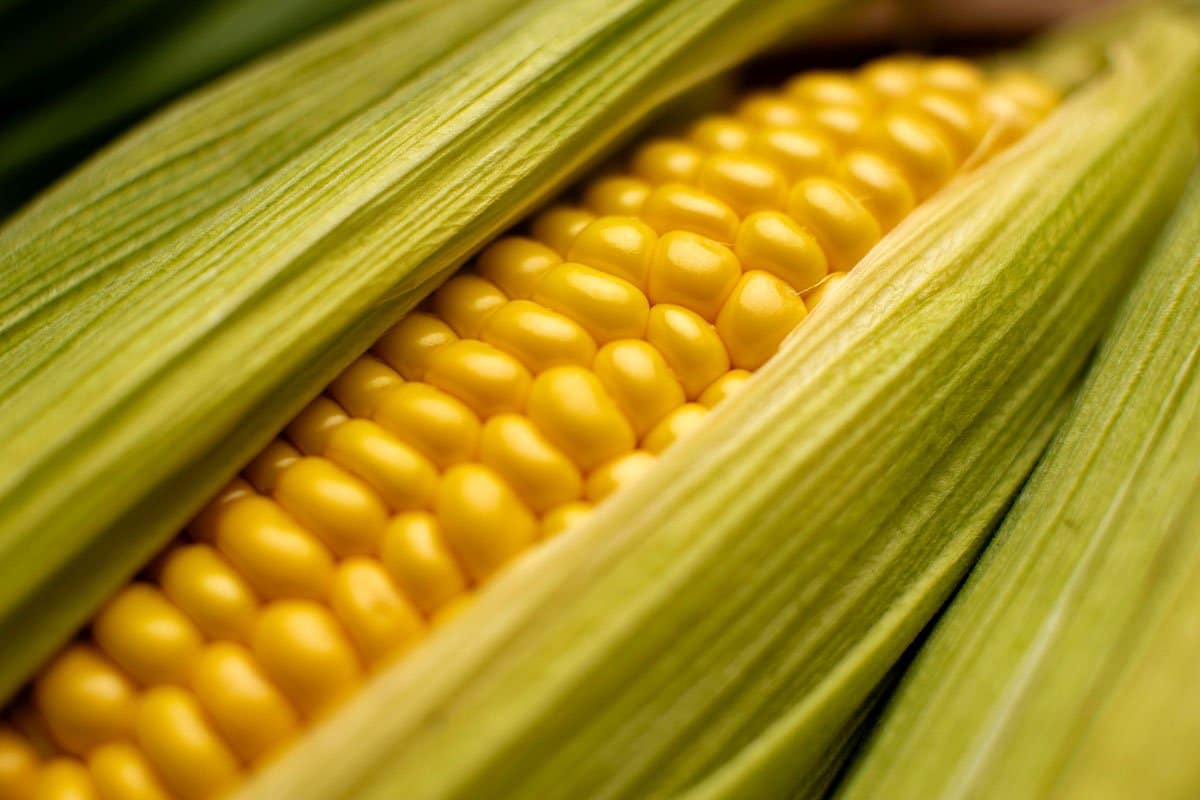
“In this long-term study, we first used the Comet supercomputer to run tens of millions of simulations – looking at how ribonucleic acid (RNA) works within individual maize genes,” said Solares, a lecturer and researcher with the UC San Diego Computer Science and Engineering Department. “We ran our sims primarily on SDSC’s Comet and then switched to a cluster I built at UC Irvine, where I was working at the time.”
The post Supercomputing Simulations in Multiyear Study of Corn to Address Food Insecurity Reveal Surprising Molecular Results appeared first on HPCwire.