Machine Learning Predictions Successfully Model Atomic Masses of Nuclide Chart

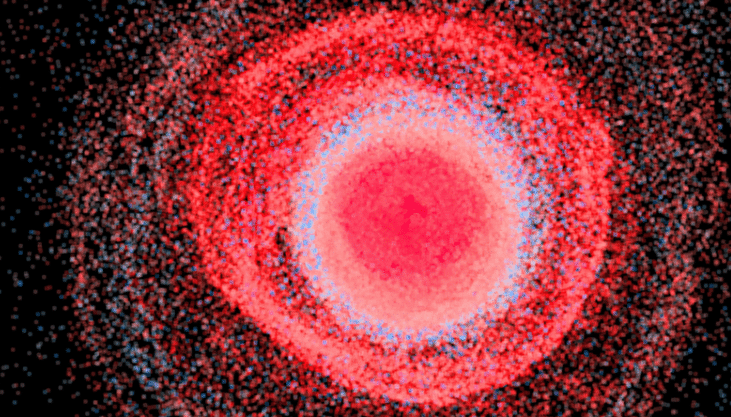
A Los Alamos simulation of an accretion disk after the collision of two neutron stars.

The origin of heavy elements in our universe is theorized to be the result of neutron star collisions, which produce conditions hot and dense enough for free neutrons to merge with atomic nuclei and form new elements in a split-second window of time. Testing this theory and answering other astrophysical questions requires predictions for a vast range of masses of atomic nuclei. Los Alamos National Laboratory scientists are front and center in using machine learning algorithms (an application of artificial intelligence) to successfully model the atomic masses of the entire nuclide chart — the combination of all possible protons and neutrons that defines elements and their isotopes.

The post Machine Learning Predictions Successfully Model Atomic Masses of Nuclide Chart appeared first on HPCwire.
More Related Posts

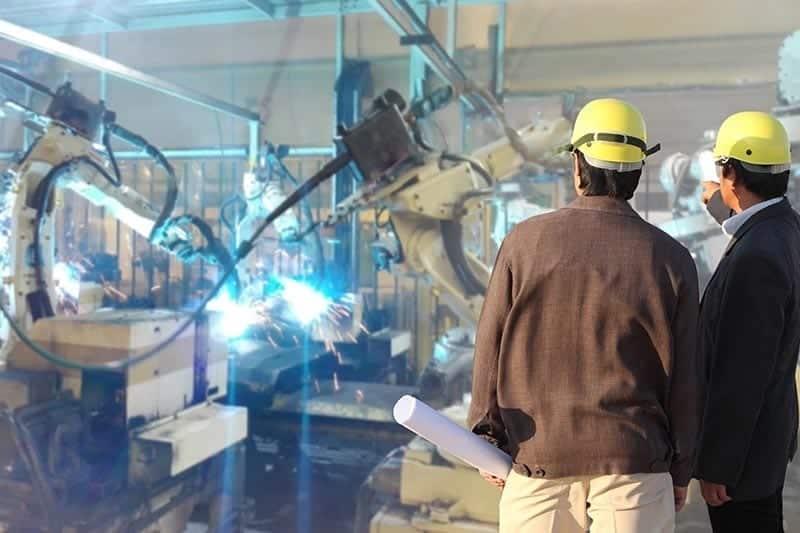
Robot orders up 3.5% as non-automotive sales surged

For the first time, yearly orders of robots from non-automotive sectors surpassed...

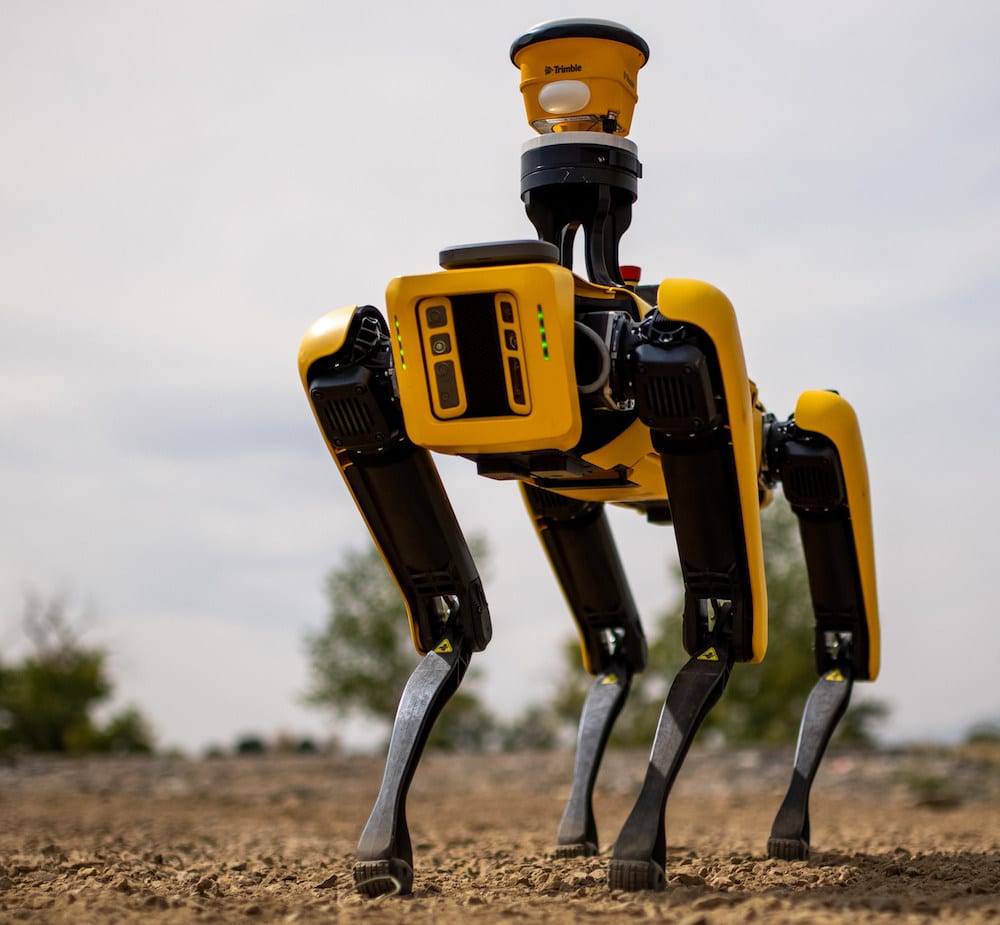
Boston Dynamics expanding Spot’s duties on construction sites

Boston Dynamics and Trimble are expanding the capabilities of Spot within the...

Los Alamos Supercomputers Uncover Subtleties of the X Chromosome

X chromosome inactivation equalizes the active X chromosomes between mammals with two...

Home

Highly Niched Headhunters Specialized in Physical AI/Robotics, High-Performance Computing, Unmanned/Autonomous Systems, Defense Technology and Energy.

Specializations

We recruit across complex engineering markets where understanding the technology is critical to finding the right talent.

How We Work

Overview of how PACE partners with teams: Our process, what clients get, and why PACE is different.

About Us

PACE’s story, values, and culture define how we operate and who we are.

News & Insights

Stay up to date on industry trends.

Contact

All the information needed for anyone interested in contacting us.