Berkeley Lab Boosts Fusion Research Using ML Models on NERSC Supercomputers

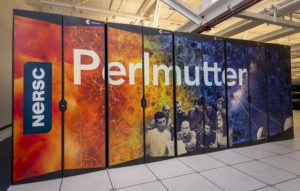
perlmutter display

A significant advance in the use of machine learning (ML) algorithms could accelerate fusion energy research. Previous research at the Massachusetts Institute of Technology (MIT) has shown how physicists can utilize machine learning techniques to conduct their research, such as tracking plasma turbulence during fusion experiments.

The post Berkeley Lab Boosts Fusion Research Using ML Models on NERSC Supercomputers appeared first on HPCwire.

More Related Posts

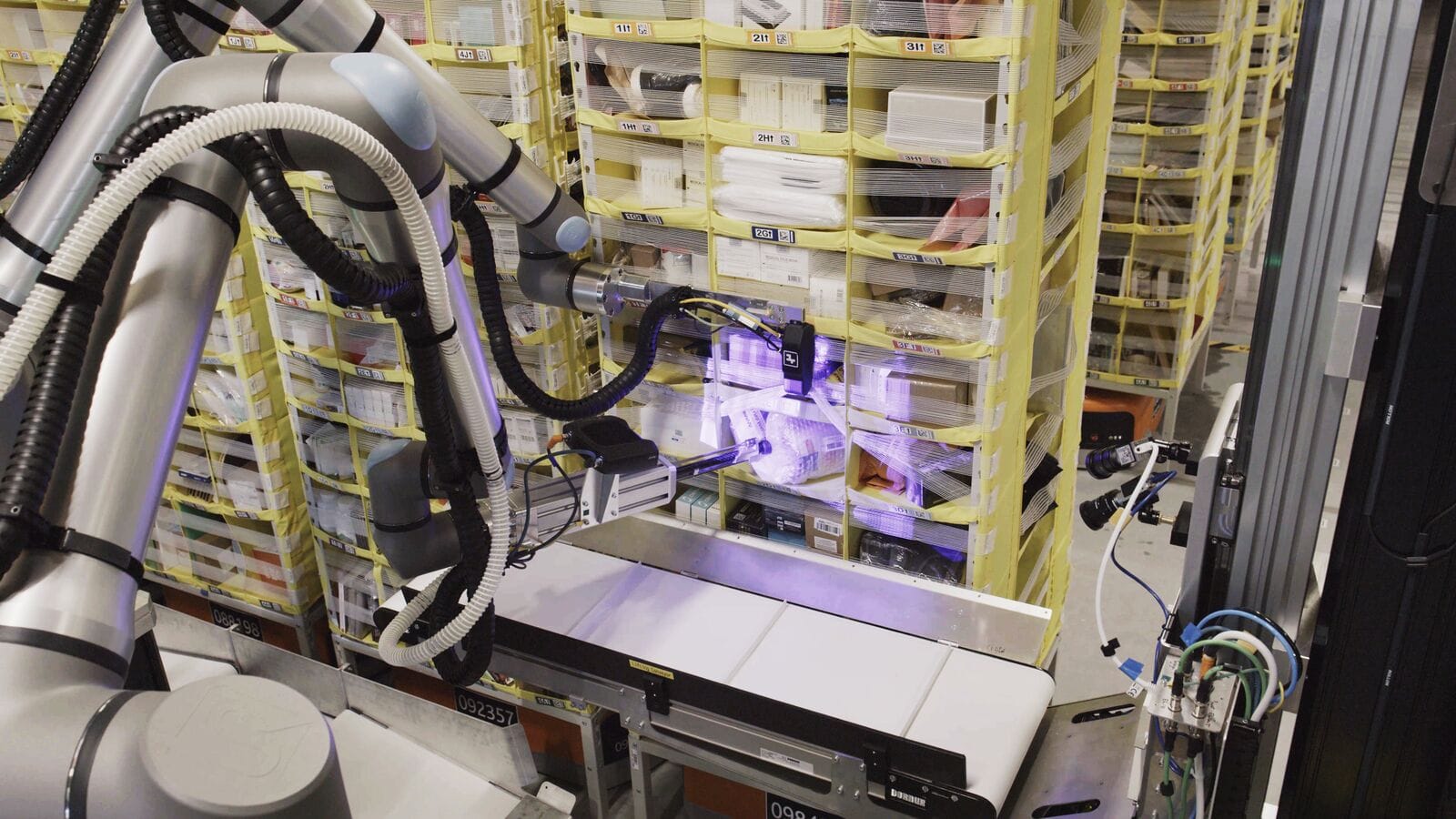
Amazon’s Vulcan robot uses force sensing to stow items

Amazon is opening new automation opportunities by deploying its first robots that...

The state of humanoids: Where is the market headed? | The Robot Report

Where are humanoids headed? See what our panel of experts think. Source:...

Google DeepMind’s AlphaEarth Model Aims to Transform Climate and Land Monitoring | HPCwire

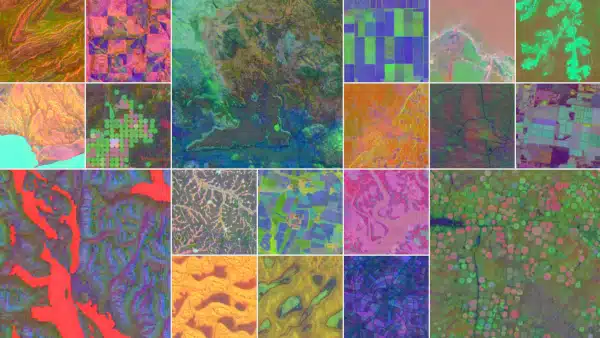
New AI model integrates petabytes of Earth observation data to generate a...

Home

Highly Niched Headhunters Specialized in Physical AI/Robotics, High-Performance Computing, Unmanned/Autonomous Systems, Defense Technology and Energy.

Specializations

We recruit across complex engineering markets where understanding the technology is critical to finding the right talent.

How We Work

Overview of how PACE partners with teams: Our process, what clients get, and why PACE is different.

About Us

PACE’s story, values, and culture define how we operate and who we are.

News & Insights

Stay up to date on industry trends.

Contact

All the information needed for anyone interested in contacting us.