ACCESS: Using Supercomputers to Understand the Echoes of Toothed Whales

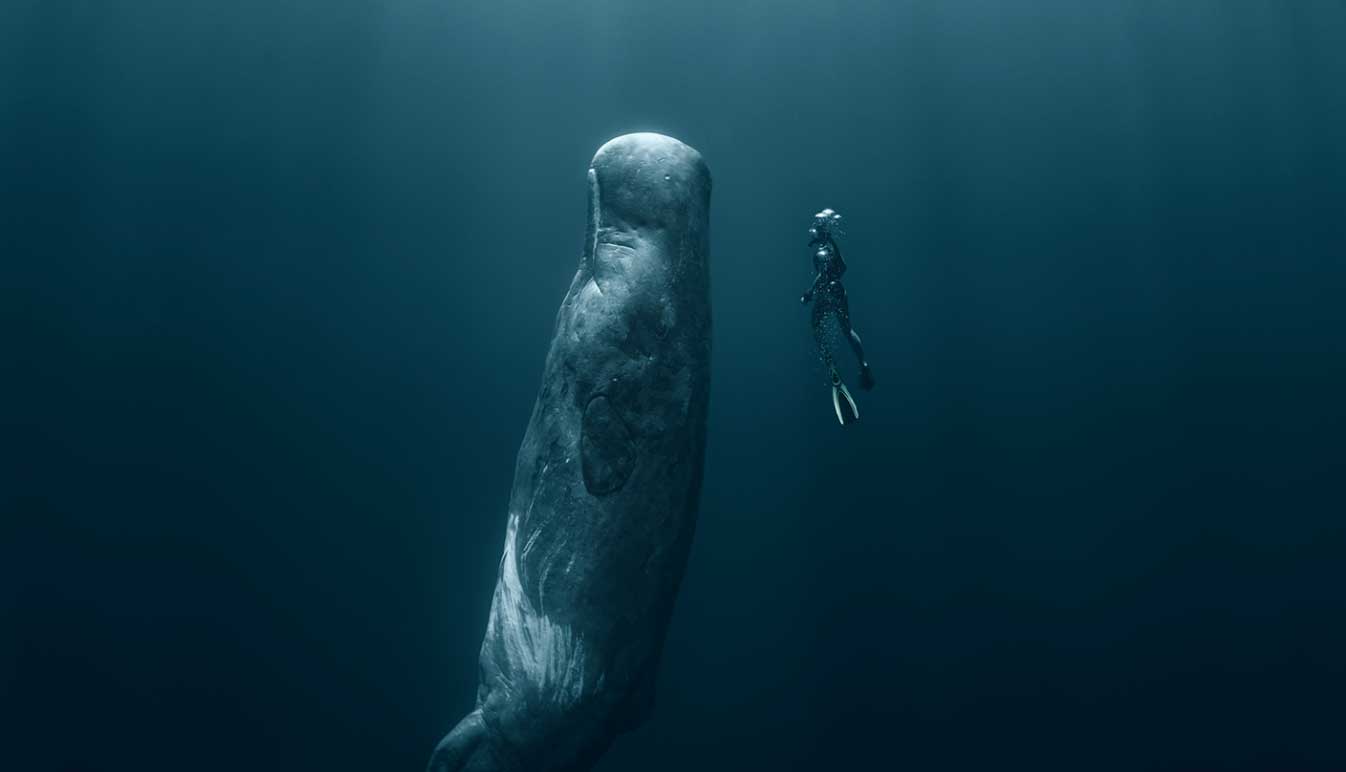
whale and diver

By emitting sounds and analyzing resulting echoes, humans and animals use active acoustic sensing systems to explore and comprehend their surroundings. Humans use high-frequency sonar systems, also known as echosounders or fishfinders, to observe fish and zooplankton in the ocean. Toothed whales and bats, on the other hand, utilize the same principles via echolocation to navigate and find food underwater and in the air.

The post ACCESS: Using Supercomputers to Understand the Echoes of Toothed Whales appeared first on HPCwire.
More Related Posts

MassRobotics expansion reflects local cluster’s strength

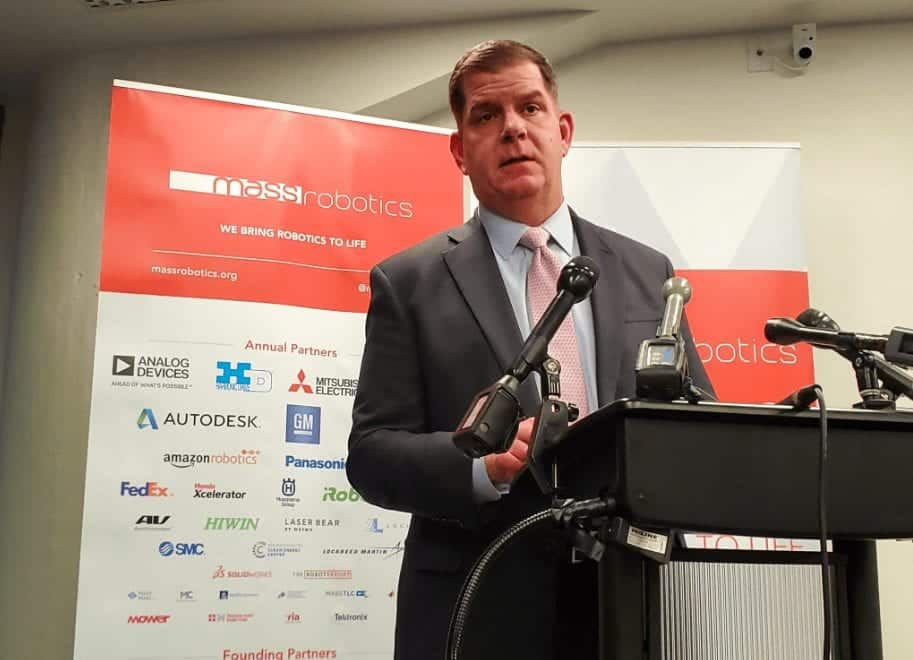
Boston Mayor Marty Walsh said MassRobotics is a “great Boston story.” Credit:...

AGVs vs AMRs: differences between mobile robots

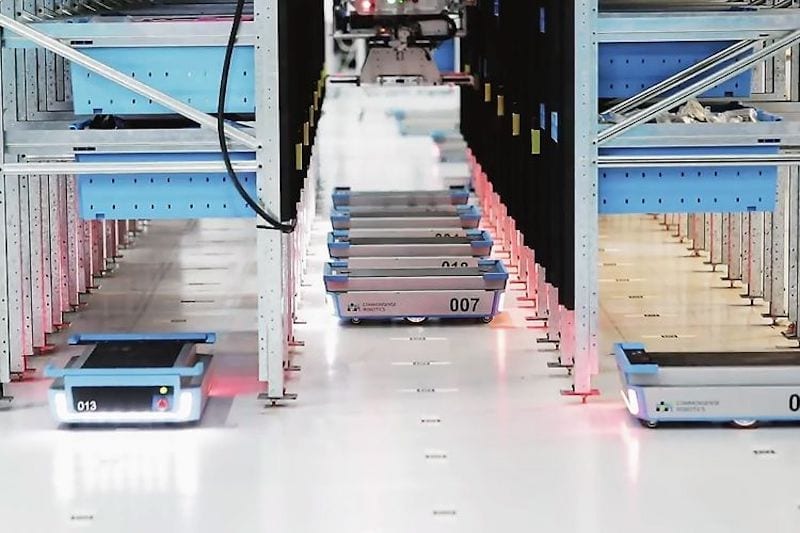
Until recently, AGVs (automated guided vehicles) were the only option for automating...

Researchers Develop Integrated Photonic Platform Based on Thin-Film Lithium Niobate

Researchers are leveraging photonics to develop and scale the hardware necessary to...

Home

Highly Niched Headhunters Specialized in Physical AI/Robotics, High-Performance Computing, Unmanned/Autonomous Systems, Defense Technology and Energy.

Specializations

We recruit across complex engineering markets where understanding the technology is critical to finding the right talent.

How We Work

Overview of how PACE partners with teams: Our process, what clients get, and why PACE is different.

About Us

PACE’s story, values, and culture define how we operate and who we are.

News & Insights

Stay up to date on industry trends.

Contact

All the information needed for anyone interested in contacting us.