Berkeley Lab Researchers Synthesize New Ultrathin Capacitor

Electron microscope images show the precise atom-by-atom structure of a barium titanate (BaTiO3) thin film sandwiched between layers of strontium ruthenate (SrRuO3) metal to make a tiny capacitor.

The silicon-based computer chips that power our modern devices require vast amounts of energy to operate. Despite ever-improving computing efficiency, information technology is projected to consume around 25% of all primary energy produced by 2030. Researchers in the microelectronics and materials sciences communities are seeking ways to sustainably manage the global need for computing power.

The post Berkeley Lab Researchers Synthesize New Ultrathin Capacitor appeared first on HPCwire.
More Related Posts

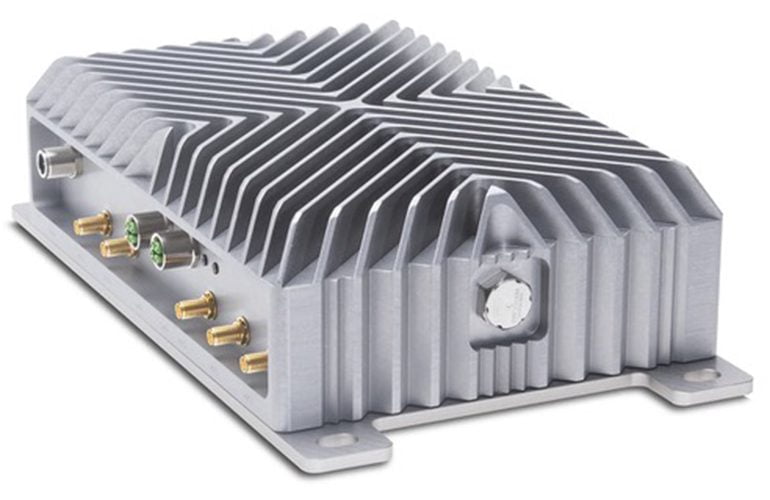
Syslogic releases AI Rugged Computer for agricultural applications

Syslogic’s new AI Rugged Computer RPC RSL A3 E2 is designed to...

BSC Symposium Highlights AI’s Potential in Predicting Cancer Treatment Responses

Artificial intelligence and new computational methods are revolutionizing scientific research. One of...

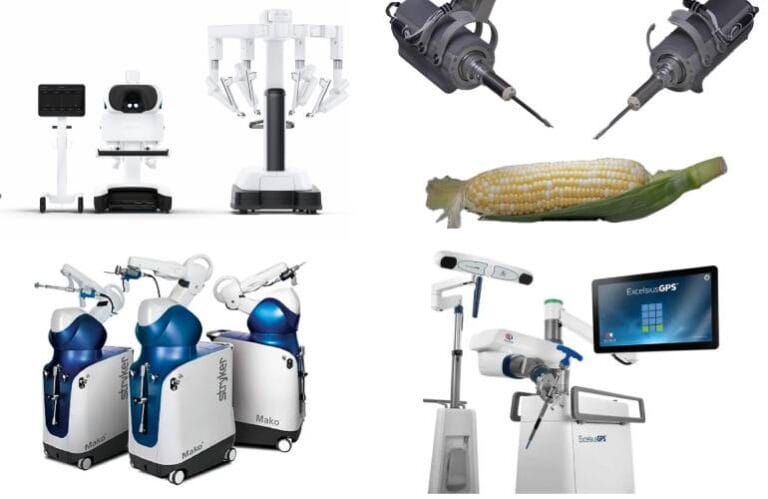
The top 10 surgical robotics stories of the year so far

Surgical robotics has been a hot topic within the medtech space, and...

Home

Highly Niched Headhunters Specialized in Physical AI/Robotics, High-Performance Computing, Unmanned/Autonomous Systems, Defense Technology and Energy.

Specializations

We recruit across complex engineering markets where understanding the technology is critical to finding the right talent.

How We Work

Overview of how PACE partners with teams: Our process, what clients get, and why PACE is different.

About Us

PACE’s story, values, and culture define how we operate and who we are.

News & Insights

Stay up to date on industry trends.

Contact

All the information needed for anyone interested in contacting us.