
Deep learning optimizes sensor placement for soft robots

deep learning sensors soft robots

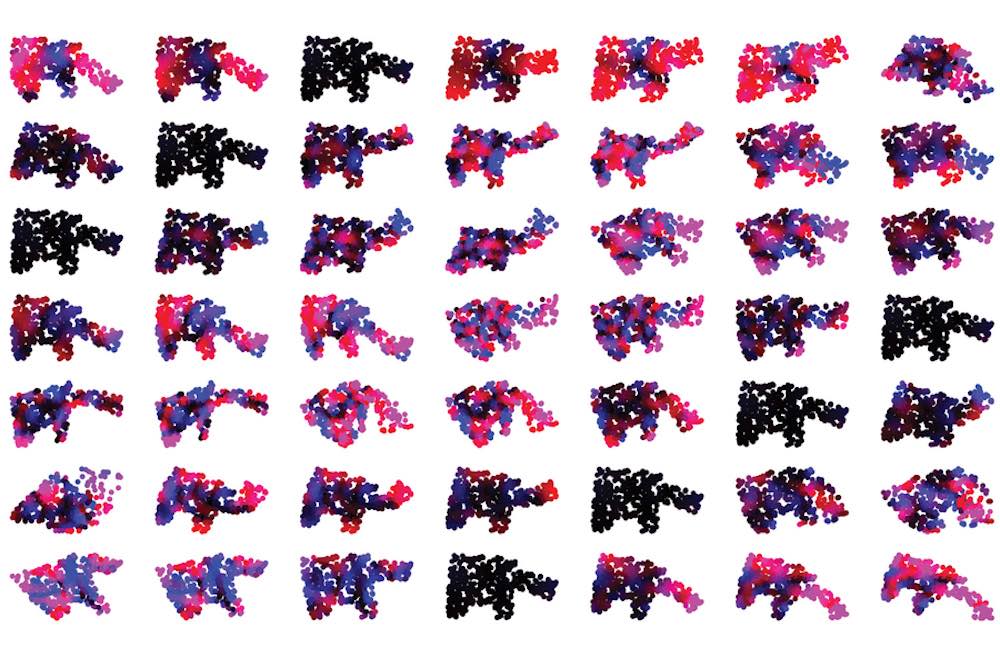
MIT built a deep learning neural network to aid the design of soft robots, such as these iterations of a robotic elephant. | Photo Credit: MIT

There are some tasks traditional robots – the rigid and metallic kind – simply aren’t cut out for. Soft-bodied robots, on the other hand, may be able to interact with people more safely or slip into tight spaces with ease. But for robots to reliably complete their programmed duties, they need to know the whereabouts of all their body parts. That’s a tall task for a soft robot that can deform in a virtually infinite number of ways.

The post Deep learning optimizes sensor placement for soft robots appeared first on The Robot Report.
More Related Posts

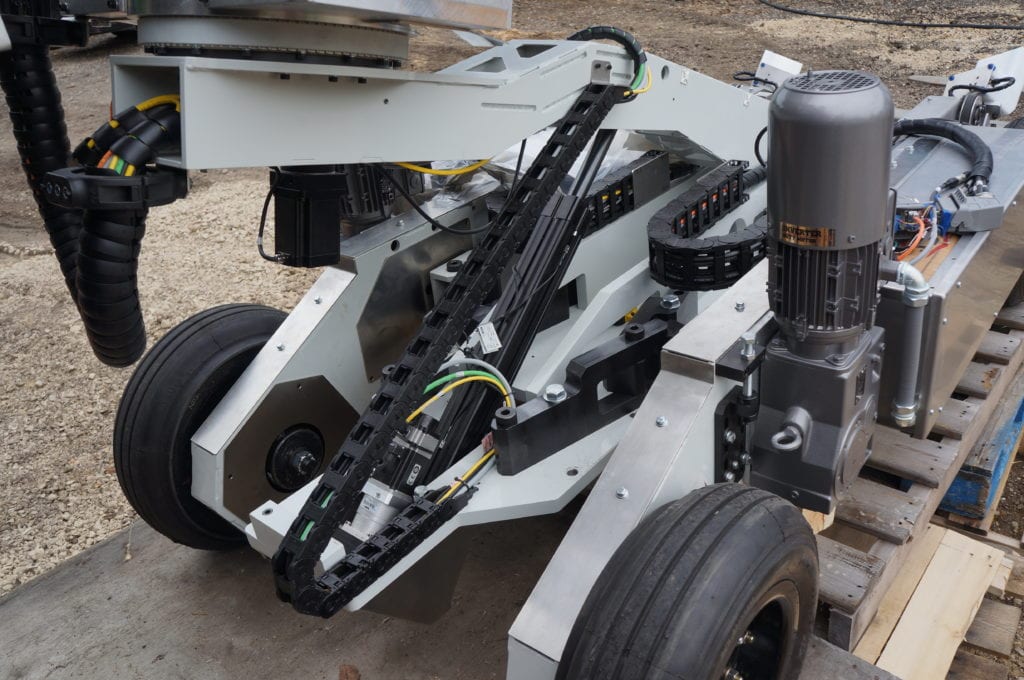
Pipeline repair robots deployed to reduce danger for human workers

A Wisconsin company has designed “The Crawler,” a pipeline repair robot that...

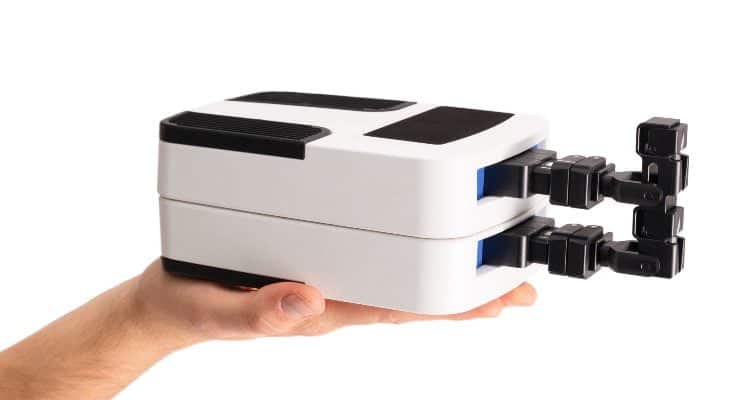
Interventional Systems receives FDA clearance for mini surgical robot

Interventional Systems has received FDA 510(k) clearance for its Micromate robot for...

Newly-Observed Higgs Mode Holds Promise in Quantum Computing

The first-ever appearance of a previously undetectable quantum excitation known as the...

Home

Highly Niched Headhunters Specialized in Physical AI/Robotics, High-Performance Computing, Unmanned/Autonomous Systems, Defense Technology and Energy.

Specializations

We recruit across complex engineering markets where understanding the technology is critical to finding the right talent.

How We Work

Overview of how PACE partners with teams: Our process, what clients get, and why PACE is different.

About Us

PACE’s story, values, and culture define how we operate and who we are.

News & Insights

Stay up to date on industry trends.

Contact

All the information needed for anyone interested in contacting us.