Leveraging Machine Learning in Dark Matter Research for the Aurora Exascale System 

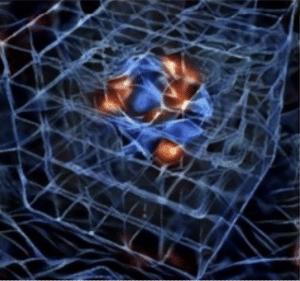
Artists impression of a nucleus in a lattice QCD calculation

Scientists have unlocked many secrets about particle interactions at atomic and subatomic levels. However, one mystery that has eluded researchers is dark matter. Current supercomputers don’t have the capability to run custom machine learning (ML) architectures that can tackle calculating the properties and interactions of large atomic nuclei needed to help in solving this mystery. 

The post Leveraging Machine Learning in Dark Matter Research for the Aurora Exascale System  appeared first on HPCwire.
More Related Posts

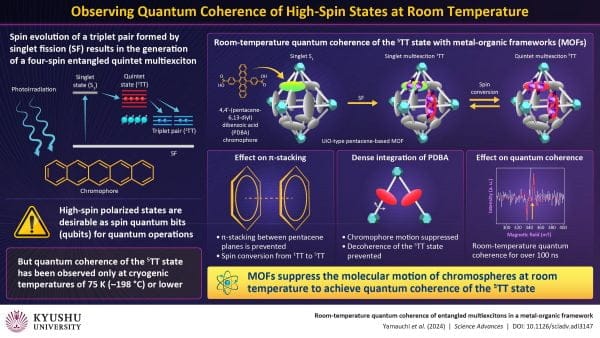
Researchers Report Advance in Achieving Room Temp Entanglement

Room temperature quantum computing and sensing has long been an area an...

Robotic textiles developed at Wyss Institute could enable mechanotherapies

Robotic textiles could be unobtrusive. Source: Wyss Institute at Harvard University Amultidisciplinary...

From Circuits to Scale: Intel’s Path to Exascale | HPCwire

July 16, 2025 — Few moments in engineering are as electrifying as...

Home

Highly Niched Headhunters Specialized in Physical AI/Robotics, High-Performance Computing, Unmanned/Autonomous Systems, Defense Technology and Energy.

Specializations

We recruit across complex engineering markets where understanding the technology is critical to finding the right talent.

How We Work

Overview of how PACE partners with teams: Our process, what clients get, and why PACE is different.

About Us

PACE’s story, values, and culture define how we operate and who we are.

News & Insights

Stay up to date on industry trends.

Contact

All the information needed for anyone interested in contacting us.