Mapping DNA’s Folds: UIC-led Team Uses Powerful Computers to Unfurl Genomic Secrets

A single-cell 3D simulation of chromatin, the structures that make up the chromosome.

For decades, scientists have probed how human DNA that would stretch more than 2 meters if unspooled from a cell is packed into chromosomes millions of times smaller.
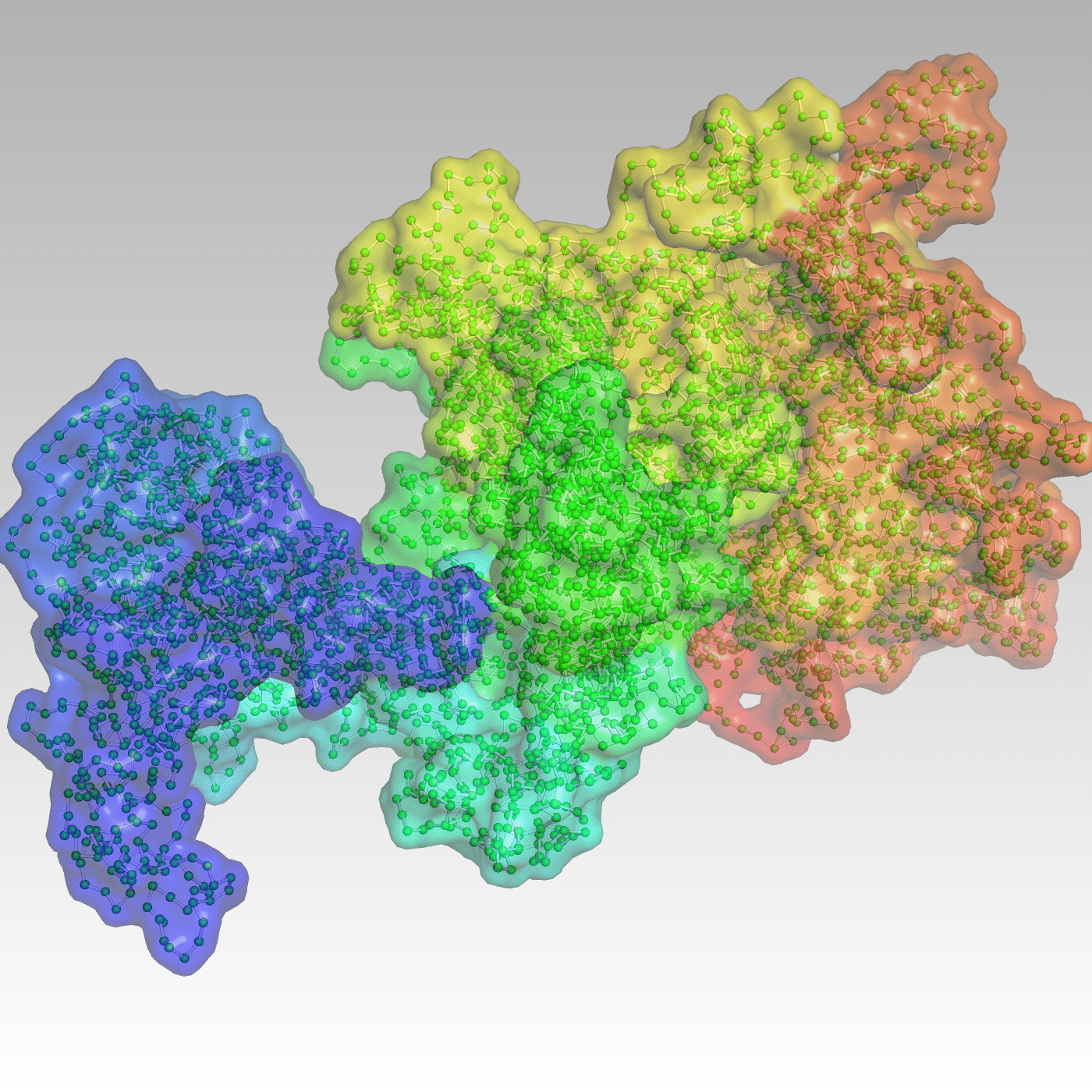
A single-cell 3D simulation of chromatin, the structures that make up the chromosome. The beads represent monomers, a segment of the genome, linked to form a polymer. The colors delineate distance along the genome. Image credit: Jie Liang, University of Illinois Chicago.

What’s more, they’ve tried to learn how this extreme folding influences genes. They way genes are packed into chromosomes can produce cells that smoothly develop into organs and bones or that misfire and lead to disease.

The post Mapping DNA’s Folds: UIC-led Team Uses Powerful Computers to Unfurl Genomic Secrets appeared first on HPCwire.

More Related Posts

New Method for Comparing Neural Networks Exposes How AI Works

A team at Los Alamos National Laboratory has developed a novel approach...

Machine learning helps researchers build low-cost tactile sensor

Robotics researchers at ETH Zurich designed this tactile sensor prototype. | Credit:...

From surge to sobriety: the state of robotics investment in 2024

Over the last several years, the investment environment has been tough for...

Home

Highly Niched Headhunters Specialized in Physical AI/Robotics, High-Performance Computing, Unmanned/Autonomous Systems, Defense Technology and Energy.

Specializations

We recruit across complex engineering markets where understanding the technology is critical to finding the right talent.

How We Work

Overview of how PACE partners with teams: Our process, what clients get, and why PACE is different.

About Us

PACE’s story, values, and culture define how we operate and who we are.

News & Insights

Stay up to date on industry trends.

Contact

All the information needed for anyone interested in contacting us.