Computer-generated Models Mimic Human Recognition at Supersonic Speed

triton shared computing cluster

A research team led by Joseph Gleeson, MD, Rady Professor of Neuroscience at UC San Diego School of Medicine and director of neuroscience research at the Rady Children’s Institute for Genomic Medicine, has been using the Triton Shared Computing Cluster (TSCC) at San Diego Supercomputer Center (SDSC) at UC San Diego for data processing and model training to unveil new methods for DNA mosaic recognition.

The post Computer-generated Models Mimic Human Recognition at Supersonic Speed appeared first on HPCwire.
More Related Posts

Scientists Create a Longer-Lasting Exciton that May Open New Possibilities in Quantum Information Science

In a new study, scientists have observed long-lived excitons in a topological...

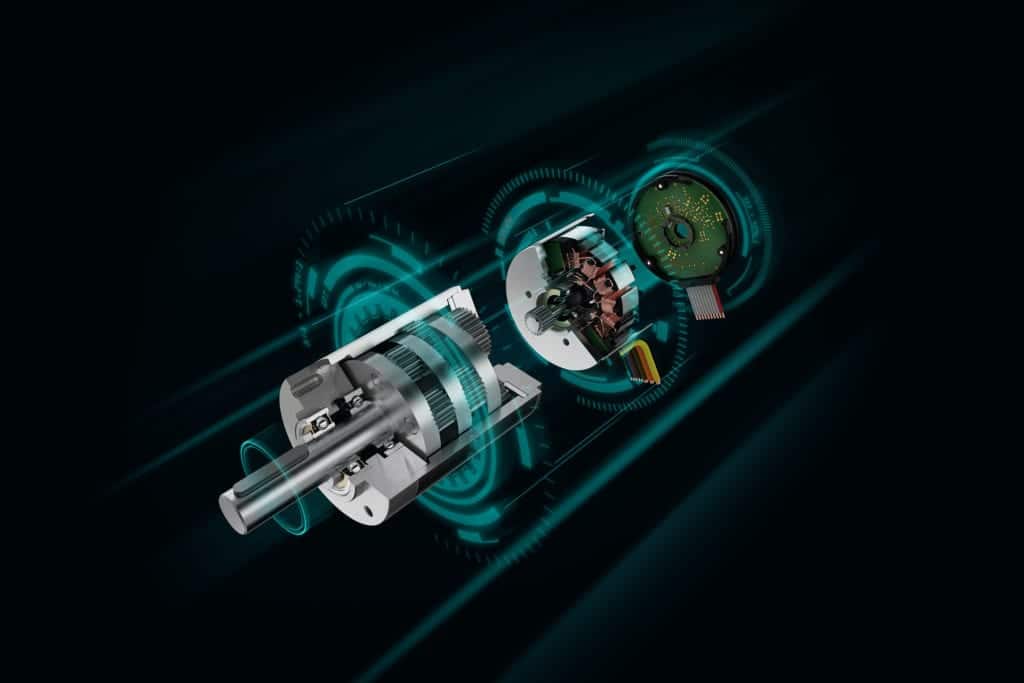
How precision drives can improve the performance of robotic grippers, mobile robots

Precision drives are essential for numerous robotics applications. Source: FAULHABER Today, a...

We believe purpose breeds passion- Join PACE Recrutiers

Our work environment is designed to foster collaboration, passion and exceptional quality...

Home

Highly Niched Headhunters Specialized in Physical AI/Robotics, High-Performance Computing, Unmanned/Autonomous Systems, Defense Technology and Energy.

Specializations

We recruit across complex engineering markets where understanding the technology is critical to finding the right talent.

How We Work

Overview of how PACE partners with teams: Our process, what clients get, and why PACE is different.

About Us

PACE’s story, values, and culture define how we operate and who we are.

News & Insights

Stay up to date on industry trends.

Contact

All the information needed for anyone interested in contacting us.