Deep learning, vision help exoskeleton adapt to its surroundings

exoskeleton

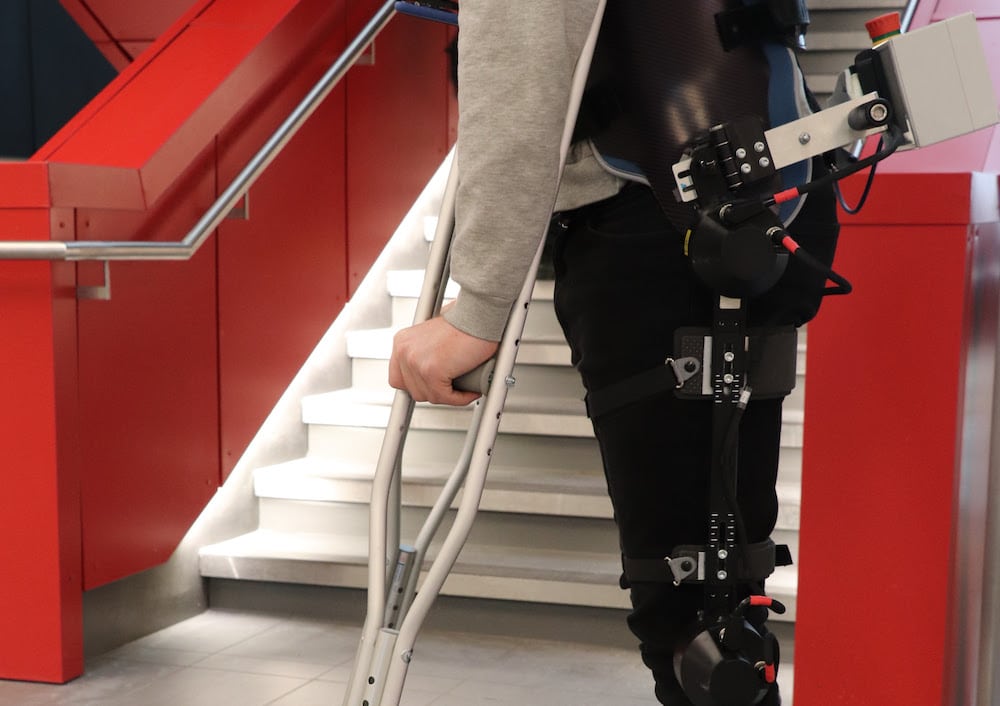
Researchers fitted exoskeleton users with cameras and are optimizing computer software to process the video feed to recognize stairs, doors and other surroundings. | Photo Credit: University of Waterloo

Robotics researchers are developing exoskeletons and prosthetic legs capable of making control decisions on their own using sophisticated artificial intelligence (AI) technology.

The system combines computer vision and deep learning to mimic how able-bodied people walk by seeing their surroundings and adjusting their movements.

The post Deep learning, vision help exoskeleton adapt to its surroundings appeared first on The Robot Report.

More Related Posts

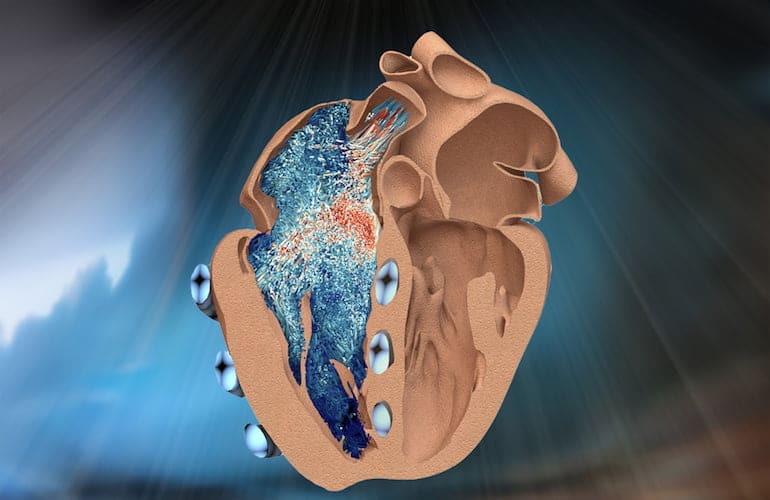
MIT designs robotic heart chamber

MIT engineers have developed a robotic replica of the heart’s right ventricle,...

2022 robotics predictions from industry experts

With 2022 just underway, we asked some of the robotics industry’s leading...

Brown researchers simplify human-to-robot communication with large language models

The Brown research team tested its Lang2LTL software on a Spot robot...

Home

Highly Niched Headhunters Specialized in Physical AI/Robotics, High-Performance Computing, Unmanned/Autonomous Systems, Defense Technology and Energy.

Specializations

We recruit across complex engineering markets where understanding the technology is critical to finding the right talent.

How We Work

Overview of how PACE partners with teams: Our process, what clients get, and why PACE is different.

About Us

PACE’s story, values, and culture define how we operate and who we are.

News & Insights

Stay up to date on industry trends.

Contact

All the information needed for anyone interested in contacting us.