Electronic Bridge Allows Rapid Energy Sharing Between Semiconductors

Artistic depiction of electron transfer driven by an ultrashort laser pulse, across an interface between two atomically-thin materials. This transfer is facilitated by an interlayer ‘bridge’ state that electrons are able to access due to lattice vibrations in both materials.

As semiconductor devices become ever smaller, researchers are exploring two-dimensional (2D) materials for potential applications in transistors and optoelectronics. Controlling the flow of electricity and heat through these materials is key to their functionality, but first we need to understand the details of those behaviors at atomic scales.

The post Electronic Bridge Allows Rapid Energy Sharing Between Semiconductors appeared first on HPCwire.

More Related Posts

A Robust Quantum Memory That Stores Information in a Trapped-Ion Quantum Network

Researchers at the University of Oxford have recently created a quantum memory...

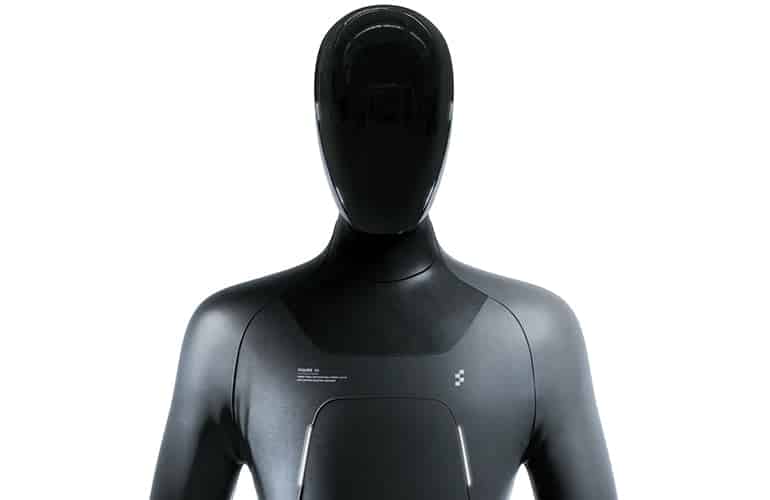
Evolving humanoid robotic dexterity from toddler to adult

Something’s been forgotten in the race to build general-purpose humanoid robots. Roboticists...

Harvard-Led Research Achieves New Milestone in Error-Corrected Quantum Computing

QuEra Computing, a leader in neutral-atom quantum computers, today announced a significant...

Home

Highly Niched Headhunters Specialized in Physical AI/Robotics, High-Performance Computing, Unmanned/Autonomous Systems, Defense Technology and Energy.

Specializations

We recruit across complex engineering markets where understanding the technology is critical to finding the right talent.

How We Work

Overview of how PACE partners with teams: Our process, what clients get, and why PACE is different.

About Us

PACE’s story, values, and culture define how we operate and who we are.

News & Insights

Stay up to date on industry trends.

Contact

All the information needed for anyone interested in contacting us.