How motion engineering helps develop next-gen surgical robots

surgical robot

What if you could design and build a surgical robot that helps doctors perform less invasive, more precise operations and achieve better patient outcomes? While the results of any surgery depend on the challenges of the specific case and the skill of the surgeon, better tools support better care.

Here’s how next-generation motion engineering can help you develop the next generation of surgical robots.

The post How motion engineering helps develop next-gen surgical robots appeared first on The Robot Report.
More Related Posts

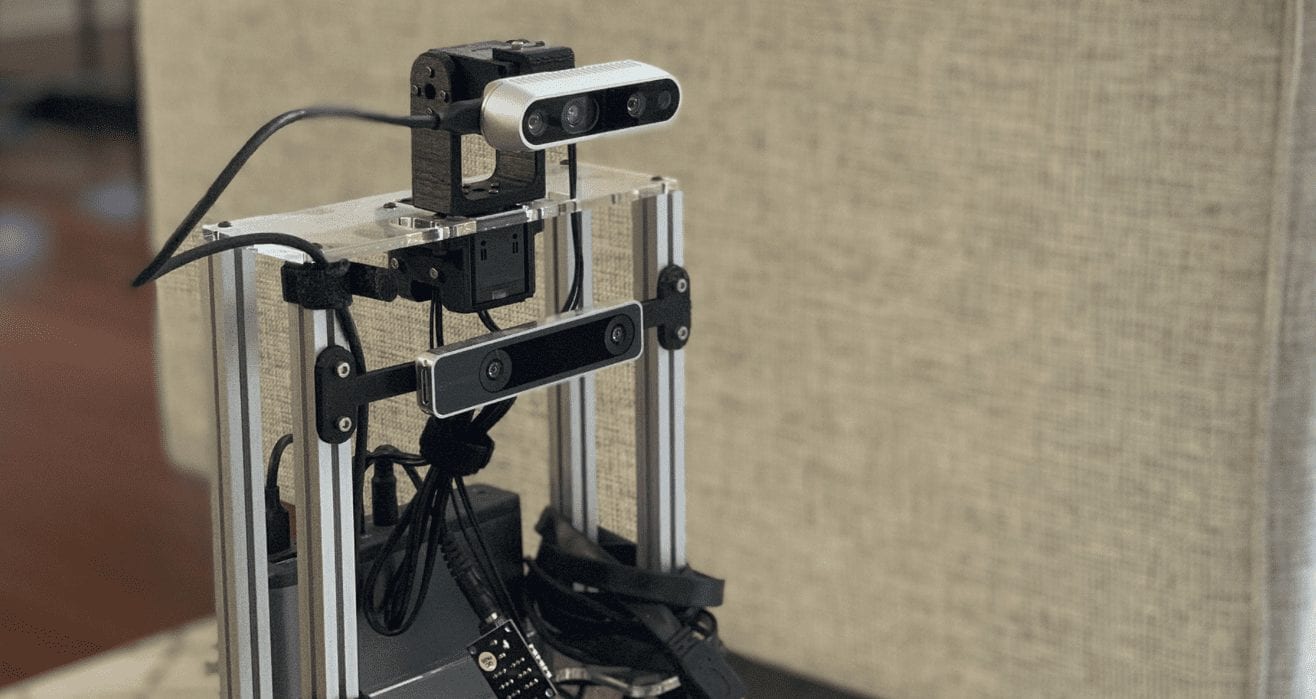
SemExp uses common sense to help robots navigate homes

SemExp, or Goal-Oriented Semantic Exploration, uses machine learning to train a robot...

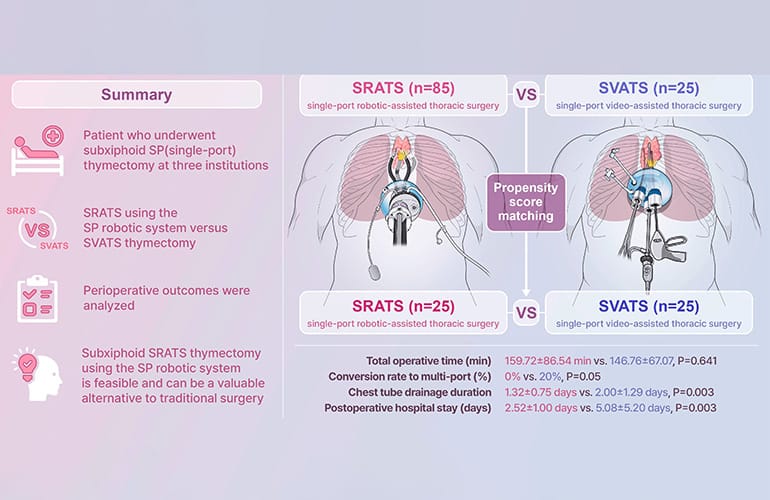
Korea University Medicine shares single-port robotic thymectomy comparative results

A joint research team from the Department of Thoracic and Cardiovascular Surgery...

The Quantum Apocalypse Is Coming. Be Very Afraid | WIRED

What happens when quantum computers can finally crack encryption and break into...

Home

Highly Niched Headhunters Specialized in Physical AI/Robotics, High-Performance Computing, Unmanned/Autonomous Systems, Defense Technology and Energy.

Specializations

We recruit across complex engineering markets where understanding the technology is critical to finding the right talent.

How We Work

Overview of how PACE partners with teams: Our process, what clients get, and why PACE is different.

About Us

PACE’s story, values, and culture define how we operate and who we are.

News & Insights

Stay up to date on industry trends.

Contact

All the information needed for anyone interested in contacting us.