




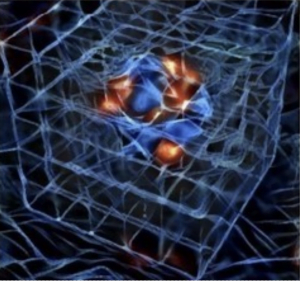
Scientists have unlocked many secrets about particle interactions at atomic and subatomic levels. However, one mystery that has eluded researchers is dark matter. Current supercomputers don’t have the capability to run custom machine learning (ML) architectures that can tackle calculating the properties and interactions of large atomic nuclei needed to help in solving this mystery.
The post Leveraging Machine Learning in Dark Matter Research for the Aurora Exascale System appeared first on HPCwire.
Article From: "Linda Barney " Read full article »

Hire with PACE
The PACE robotics team specializes in placement for robotics, autonomous systems and industrial automation. Contact us today and let PACE find the talent to take your organization to the next level.
Talented Engineers Wanted
PACE aligns elite companies with the best and brightest, and we are always finding new opportunities for technical talent in Boston, Massachusetts, and New England. Submit your resume and let PACE start working for you.


