
Machine Learning Helps Scientists Peer (a Second) into the Future

machine learning

Using a new type of machine learning method called next generation reservoir computing, researchers at The Ohio State University have recently found a new way to predict the behavior of spatiotemporal chaotic systems – such as changes in Earth’s weather – that are particularly complex for scientists to forecast.


Source: Tatyana Woodall, Ohio State University

The post Machine Learning Helps Scientists Peer (a Second) into the Future appeared first on HPCwire.
More Related Posts

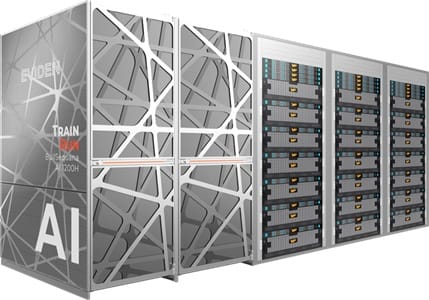
How AI Factories are Creating “InfraTech,” a New Chapter in IT Infrastructure

In high-performance computing (HPC), three critical infrastructure technologies— AI factories, liquid cooling,...

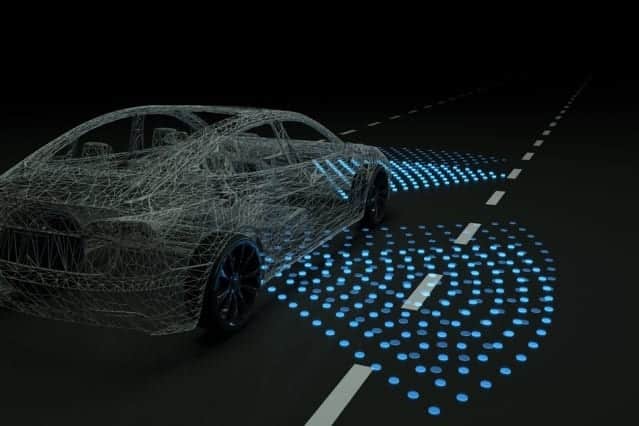
Simulation engine from MIT trains self-driving cars before they hit real roads

CAMBRIDGE, Mass. — Researchers at the Massachusetts Institute of Technology here have...

Stanford engineers enable simple cameras to see in 3D

Standard image sensors, like the billion or so already installed in practically...

Home

Highly Niched Headhunters Specialized in Physical AI/Robotics, High-Performance Computing, Unmanned/Autonomous Systems, Defense Technology and Energy.

Specializations

We recruit across complex engineering markets where understanding the technology is critical to finding the right talent.

How We Work

Overview of how PACE partners with teams: Our process, what clients get, and why PACE is different.

About Us

PACE’s story, values, and culture define how we operate and who we are.

News & Insights

Stay up to date on industry trends.

Contact

All the information needed for anyone interested in contacting us.