Scientists at Carnegie Mellon Train AI to Predict the Mass of a Galaxy

Hubble Nets a Subtle Swarm. This Hubble image shows NGC 4789A, a dwarf irregular galaxy in the constellation of Coma Berenices. Original from NASA. Digitally enhanced by rawpixel.

Researchers at Carnegie Mellon University (CMU) used resources, including Bridges-2, supplied by the Pittsburgh Supercomputing Center (PSC) and allocated through ACCESS to train artificial intelligence to predict the mass of the Coma Cluster of galaxies. By feeding the AI all the known information about the Coma Cluster and teaching it to predict mass, CMU scientists could get a new kind of prediction, this time from a machine with deep-learning capabilities…

The post Scientists at Carnegie Mellon Train AI to Predict the Mass of a Galaxy appeared first on HPCwire.

More Related Posts

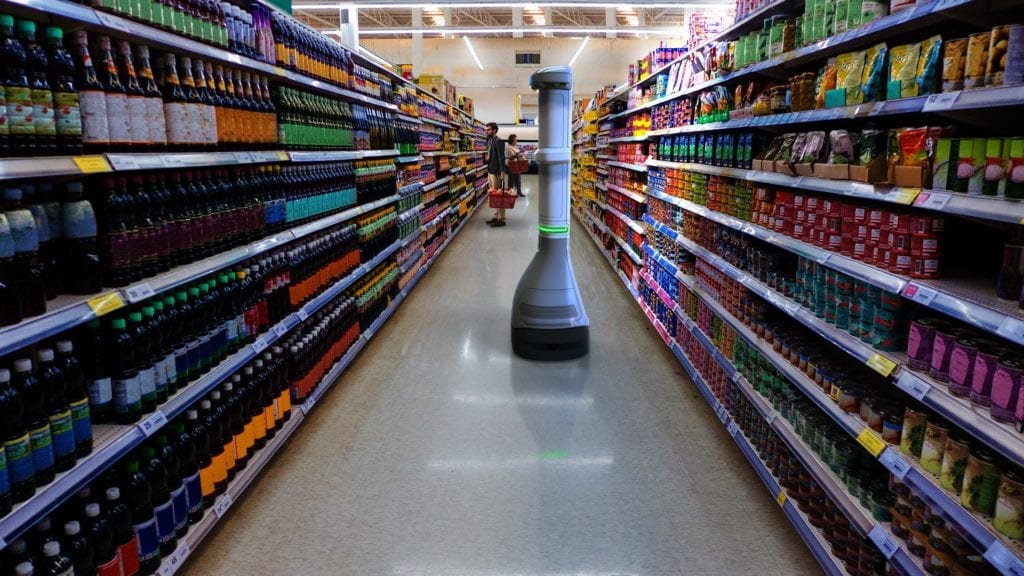
Robots in retail: Assessing current progress and long-term vision

Which players are on the right track in scaling and maturing their...

Plastic-Eating Enzyme Breakthrough Enabled by Supercomputing

More than 90 percent of plastic remains unrecycled, and as a result,...

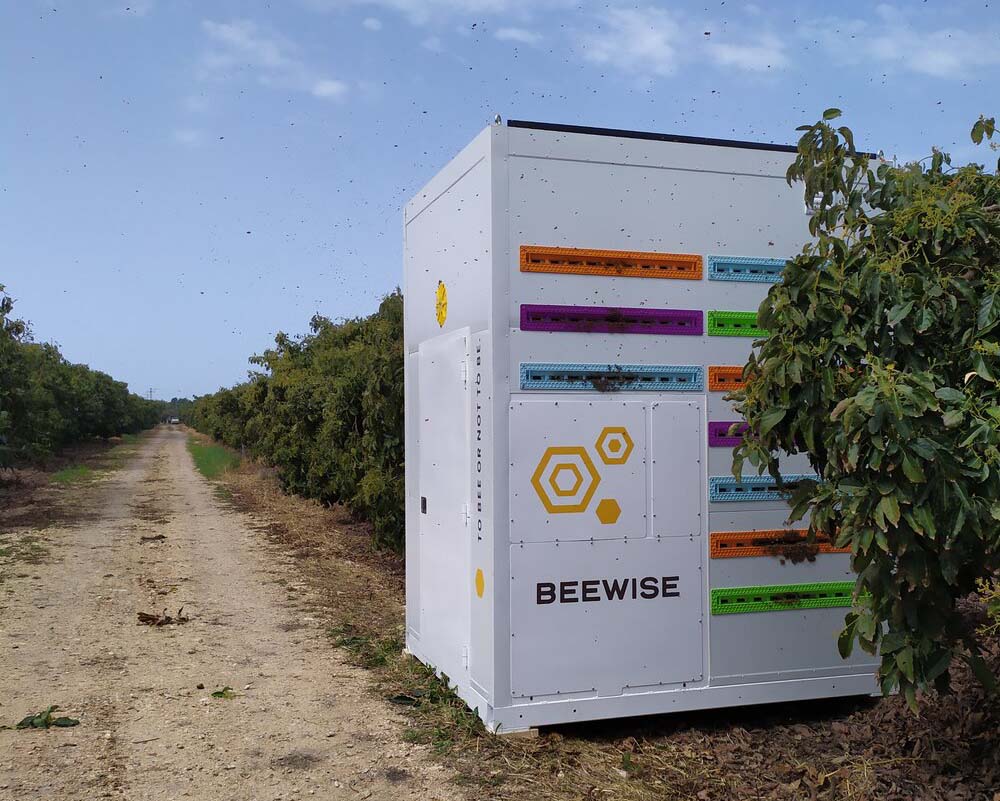
This robotic beehive wants to save the bees

Every year, around 35% of all bee colonies on the planet collapse,...

Home

Highly Niched Headhunters Specialized in Physical AI/Robotics, High-Performance Computing, Unmanned/Autonomous Systems, Defense Technology and Energy.

Specializations

We recruit across complex engineering markets where understanding the technology is critical to finding the right talent.

How We Work

Overview of how PACE partners with teams: Our process, what clients get, and why PACE is different.

About Us

PACE’s story, values, and culture define how we operate and who we are.

News & Insights

Stay up to date on industry trends.

Contact

All the information needed for anyone interested in contacting us.