Supercomputing, Paper Cutting Underpin Stretchable Electronics Research

Kirigami

Some wearable electronics—like sensors sewn into fabrics, or applicable “skins”—rely on the development of new, durable, stretchable electronic materials. One way to enhance the elasticity of these often-delicate materials is by introducing strategic cuts into them, creating a stretchable mesh. Recently, a team of researchers from the University of Southern California approached this materials design problem with inspiration from kirigami, the Japanese art of paper cutting—and used supercomputing power to make their approach possible.

The post Supercomputing, Paper Cutting Underpin Stretchable Electronics Research appeared first on HPCwire.

More Related Posts

Watch Boston Dynamics’ Spot robot explore Chernobyl

Boston Dynamics’ Spot robot is expanding to its resume every day, and...

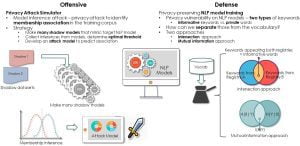
Cancer Research Inspires Improved Training Models for Natural Language Processing

The use of artificial intelligence/machine learning (AI/ML) methods to analyze health information...

Why AI is the Key to Better Robots and Happier Workers

Artificial intelligence (AI) can improve many operational aspects of AGVs and AMRs,...

Home

Highly Niched Headhunters Specialized in Physical AI/Robotics, High-Performance Computing, Unmanned/Autonomous Systems, Defense Technology and Energy.

Specializations

We recruit across complex engineering markets where understanding the technology is critical to finding the right talent.

How We Work

Overview of how PACE partners with teams: Our process, what clients get, and why PACE is different.

About Us

PACE’s story, values, and culture define how we operate and who we are.

News & Insights

Stay up to date on industry trends.

Contact

All the information needed for anyone interested in contacting us.