
Tiny Ion Is Crucial for HIV Replication: Supercomputer Simulation Explains How Viruses Form Capsids

A new study shows how a handful of ions are crucial to the process by which HIV replicates. On the left is a simulation of a normal capsule; on the right is a simulation of a capsule formed without the IP6 ions. Without the ions, the capsule cannot close and the virus cannot replicate.

A study by chemists at the University of Chicago has uncovered a new key step in the process that HIV uses to replicate itself.

The post Tiny Ion Is Crucial for HIV Replication: Supercomputer Simulation Explains How Viruses Form Capsids appeared first on HPCwire.
More Related Posts

Large Hadron Collider Begins Third Run

A round of applause broke out in the CERN Control Centre on...

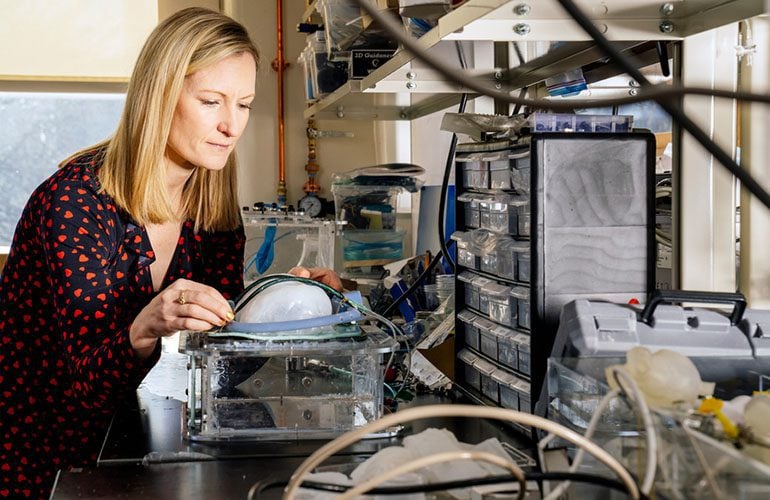
MIT researchers create implantable robotic ventilator

Researchers at MIT have designed a soft, robotic implantable ventilator that can...

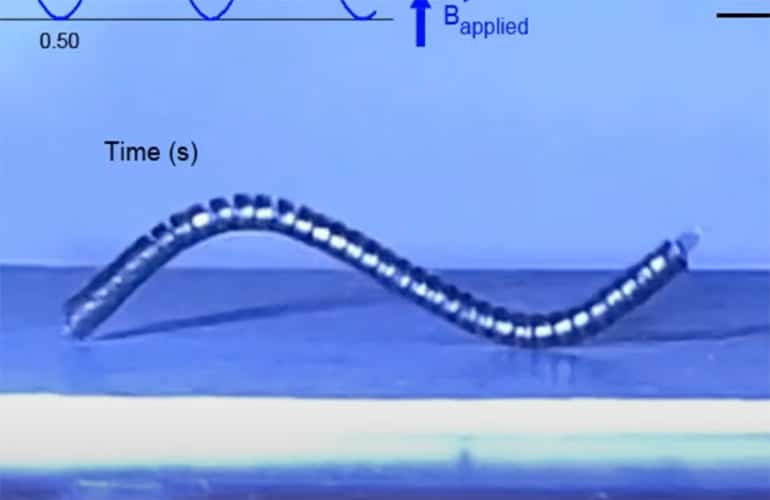
These tiny soft robots can be controlled with weak magnets

MIT scientists have created tiny, soft-bodied robots that can be controlled with...

Home

Highly Niched Headhunters Specialized in Physical AI/Robotics, High-Performance Computing, Unmanned/Autonomous Systems, Defense Technology and Energy.

Specializations

We recruit across complex engineering markets where understanding the technology is critical to finding the right talent.

How We Work

Overview of how PACE partners with teams: Our process, what clients get, and why PACE is different.

About Us

PACE’s story, values, and culture define how we operate and who we are.

News & Insights

Stay up to date on industry trends.

Contact

All the information needed for anyone interested in contacting us.