University of Paderborn Researchers Leverage Hawk Supercomputer for Advances in Solar Cell Research

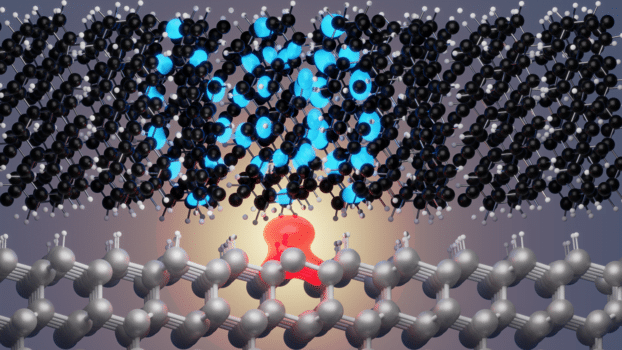
This image shows a visualization of the calculated exciton transfer from an upper tetracene layer of a solar cell to the silicon substrate. The electron is shown in blue, and the electron hole in red.

Solar energy is one of the most promising, widely adopted renewable energy sources, but the solar cells that convert light into electricity remains a challenge. Scientists have turned to the High-Performance Computing Center Stuttgart to understand how strategically designing imperfections in the system could lead to more efficient energy conversion.

The post University of Paderborn Researchers Leverage Hawk Supercomputer for Advances in Solar Cell Research appeared first on HPCwire.
More Related Posts

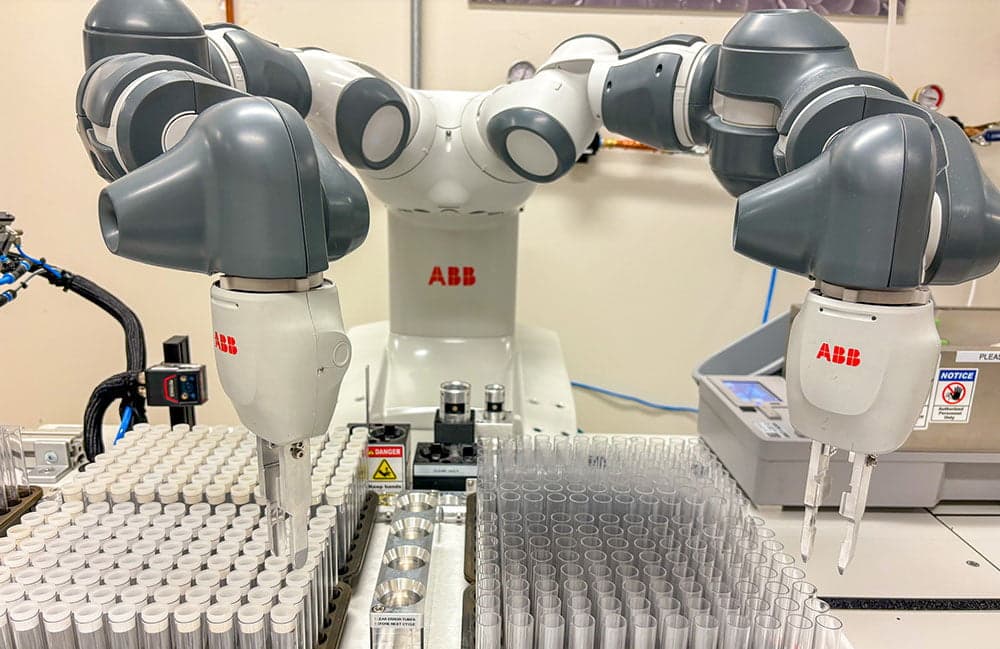
Texas Children’s Hospital transfers fruit flies with ABB YuMi cobot for neurological research

Drosophila melanogaster, better known as the fruit fly, might seem like a...

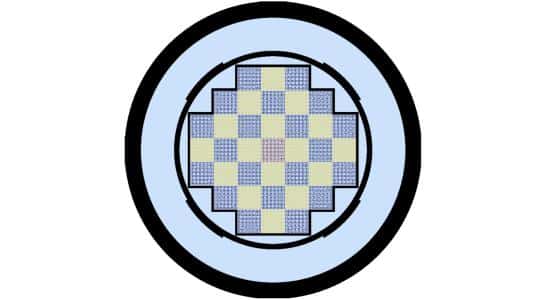
Gordon Bell Prize Finalists at Argonne Use Supercomputers to Study Nuclear Reactor Design, Climate Modeling

Nov. 8, 2023 — Two teams that include scientists from U.S. Department...

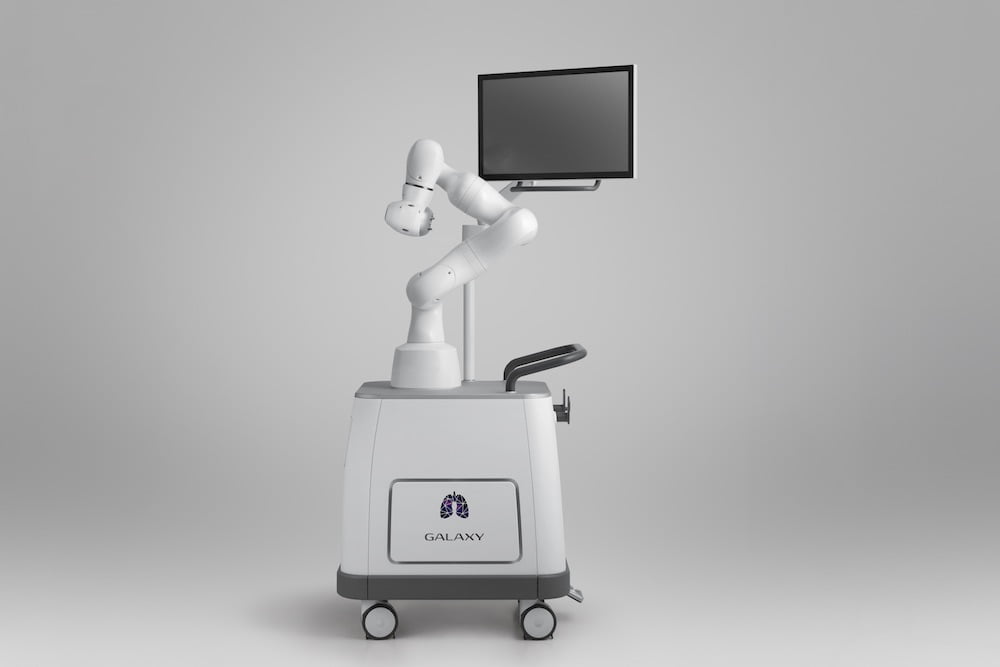
2024 surgical robotics outlook

Noah Medical’s Galaxy is a fully integrated surgical robotics system for navigated...

Home

Highly Niched Headhunters Specialized in Physical AI/Robotics, High-Performance Computing, Unmanned/Autonomous Systems, Defense Technology and Energy.

Specializations

We recruit across complex engineering markets where understanding the technology is critical to finding the right talent.

How We Work

Overview of how PACE partners with teams: Our process, what clients get, and why PACE is different.

About Us

PACE’s story, values, and culture define how we operate and who we are.

News & Insights

Stay up to date on industry trends.

Contact

All the information needed for anyone interested in contacting us.