Autonomous vehicle sensors don’t have to be a drag, find researchers

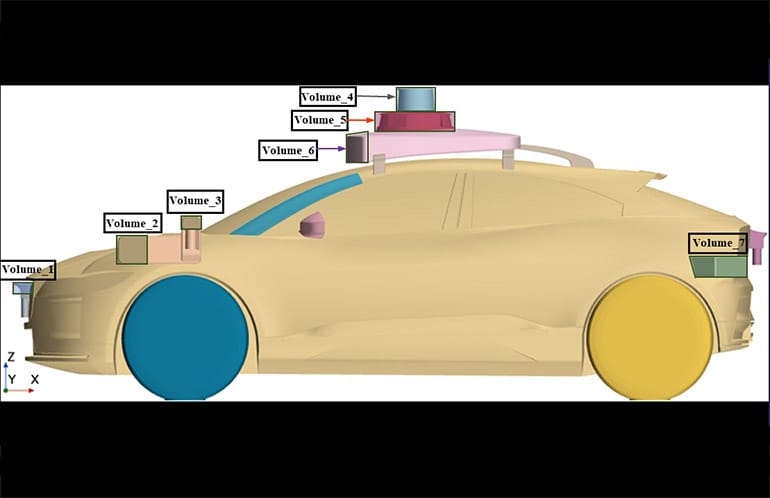
Deformation control volumes are set for the front sensor, front-side sensor, roof sensor, and rear-side sensor, which affect the aerodynamic drag coefficient. The sensor shapes can be modified by adjusting the control points.

Thanks to the rapid progress of information technology and artificial intelligence, autonomous vehicle technology has been taking off. In fact, AVs are now advanced enough that they are being used for logistics delivery and low-speed public transportation.

The post Autonomous vehicle sensors don’t have to be a drag, find researchers appeared first on The Robot Report.

More Related Posts

RoboBusiness announces 2025 agenda | The Robot Report

RoboBusiness to explore physical AI, humanoids and other emerging technologies and applications...

How the Army is improving reinforcement learning for robots

Army researchers reduced the unpredictability of current reinforcement learning policies so they...

BADGR mobile robot learns to navigate on its own

BADGR successfully reached its goal while avoiding collisions and bumpy terrain, unlike...

Home

Highly Niched Headhunters Specialized in Physical AI/Robotics, High-Performance Computing, Unmanned/Autonomous Systems, Defense Technology and Energy.

Specializations

We recruit across complex engineering markets where understanding the technology is critical to finding the right talent.

How We Work

Overview of how PACE partners with teams: Our process, what clients get, and why PACE is different.

About Us

PACE’s story, values, and culture define how we operate and who we are.

News & Insights

Stay up to date on industry trends.

Contact

All the information needed for anyone interested in contacting us.