LLNL Researchers Harness Machine Learning for Advanced Simulations of Water Structure in Carbon Nanotubes

Lawrence Livermore National Laboratory (LLNL) scientists recently combined large-scale molecular dynamics simulations with machine learning interatomic potentials derived from first-principles calculations to examine the hydrogen bonding of water confined in carbon nanotubes (CNTs). They found that the narrower the diameter of the CNT, the more the water structure is affected in a highly complex and nonlinear fashion. The research appears on the cover of The Journal of Physical Chemistry Letters.

The post LLNL Researchers Harness Machine Learning for Advanced Simulations of Water Structure in Carbon Nanotubes appeared first on HPCwire.

More Related Posts

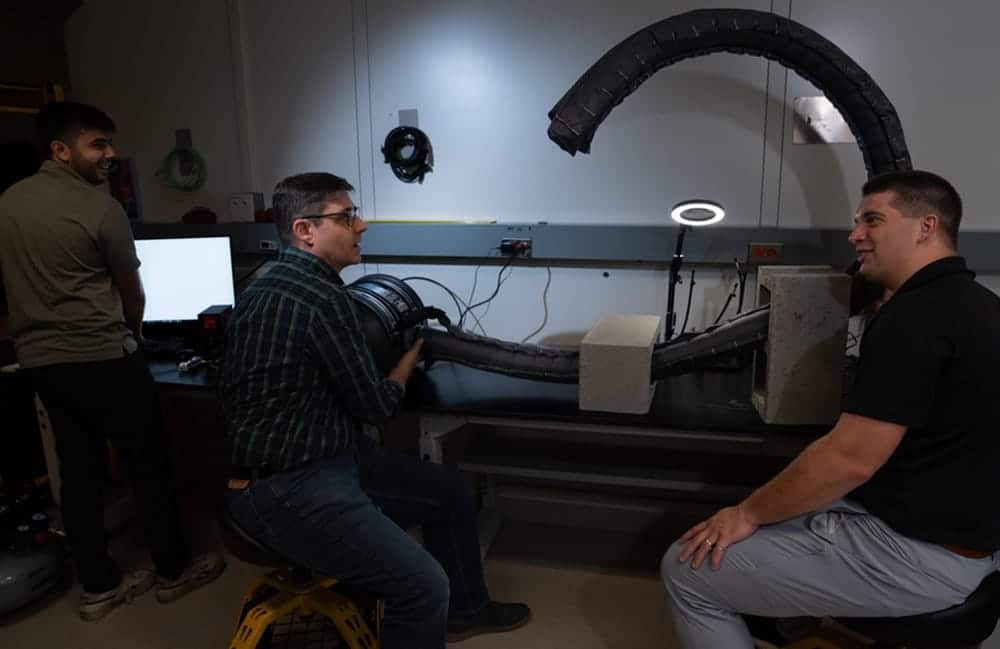
Vine robot from MIT can squeeze through rubble to help emergency responders

Researchers at the MIT Lincoln Laboratory, in collaboration with the University of...

UChicago Scientists Make New Discovery Proving Entanglement Is Responsible for Computational Hardness In Quantum Systems

For decades, scientists have been trying to solve the mystery of what...

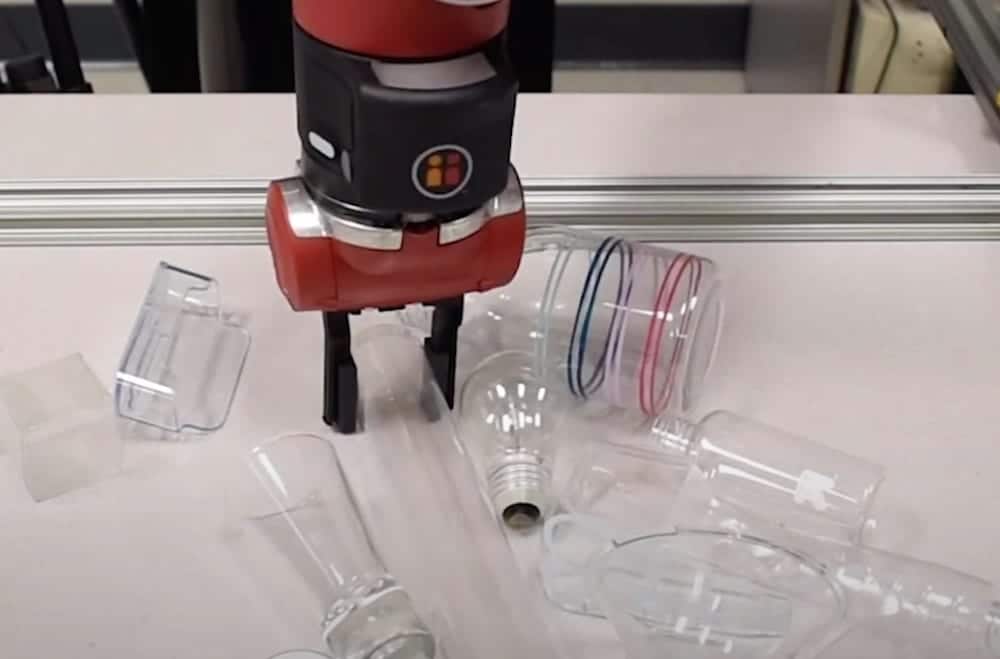
Teaching robots how to grasp transparent, shiny objects

Kitchen robots are a popular vision of the future, but if a...

Home

Highly Niched Headhunters Specialized in Physical AI/Robotics, High-Performance Computing, Unmanned/Autonomous Systems, Defense Technology and Energy.

Specializations

We recruit across complex engineering markets where understanding the technology is critical to finding the right talent.

How We Work

Overview of how PACE partners with teams: Our process, what clients get, and why PACE is different.

About Us

PACE’s story, values, and culture define how we operate and who we are.

News & Insights

Stay up to date on industry trends.

Contact

All the information needed for anyone interested in contacting us.