




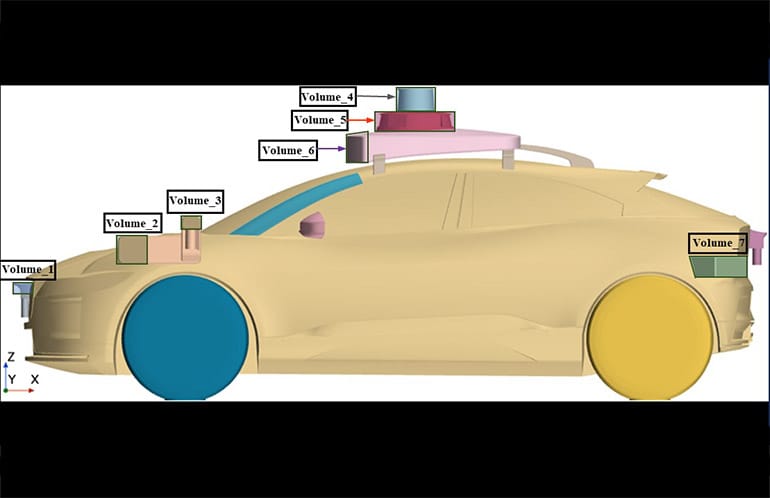
Thanks to the rapid progress of information technology and artificial intelligence, autonomous vehicle technology has been taking off. In fact, AVs are now advanced enough that they are being used for logistics delivery and low-speed public transportation.
The post Autonomous vehicle sensors don’t have to be a drag, find researchers appeared first on The Robot Report.
Article From: "American Institute of Physics" Read full article »

Hire with PACE
The PACE robotics team specializes in placement for robotics, autonomous systems and industrial automation. Contact us today and let PACE find the talent to take your organization to the next level.
Talented Engineers Wanted
PACE aligns elite companies with the best and brightest, and we are always finding new opportunities for technical talent in Boston, Massachusetts, and New England. Submit your resume and let PACE start working for you.


