Supercomputer Simulations Explain Life-Critical Protein in the Brain

iGlu-R protein

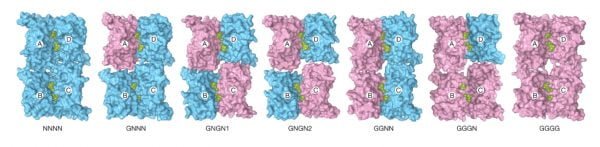
The fourth most common neurological disorder in the world is epilepsy, according to the Epilepsy Foundation. Individuals who have the disorder experience surges of electrical activity in their brains that can cause recurring seizures. At the base of those electrical signals is a protein called the ionotropic glutamate receptor (iGluR). Problems with this protein cause the seizures, as well as degeneration of nerve cells.

The post Supercomputer Simulations Explain Life-Critical Protein in the Brain appeared first on HPCwire.


More Related Posts

RE2 Robotics developing autonomous helicopter refueling system

RE2 Robotics, a 2021 RBR50 Innovation Award winner based in Pittsburgh, is...

Jetstream2 Powers Breakthroughs in Wind Energy Forecasts

As scientists look to the future of energy production, renewable resources remain...

6 Ways Robotics and AI Will Change the Jobs Market in 2019

Robotics and artificial intelligence (AI) are two technologies that are rapidly altering...

Home

Highly Niched Headhunters Specialized in Physical AI/Robotics, High-Performance Computing, Unmanned/Autonomous Systems, Defense Technology and Energy.

Specializations

We recruit across complex engineering markets where understanding the technology is critical to finding the right talent.

How We Work

Overview of how PACE partners with teams: Our process, what clients get, and why PACE is different.

About Us

PACE’s story, values, and culture define how we operate and who we are.

News & Insights

Stay up to date on industry trends.

Contact

All the information needed for anyone interested in contacting us.